Exploring Texas Rivers and Creeks
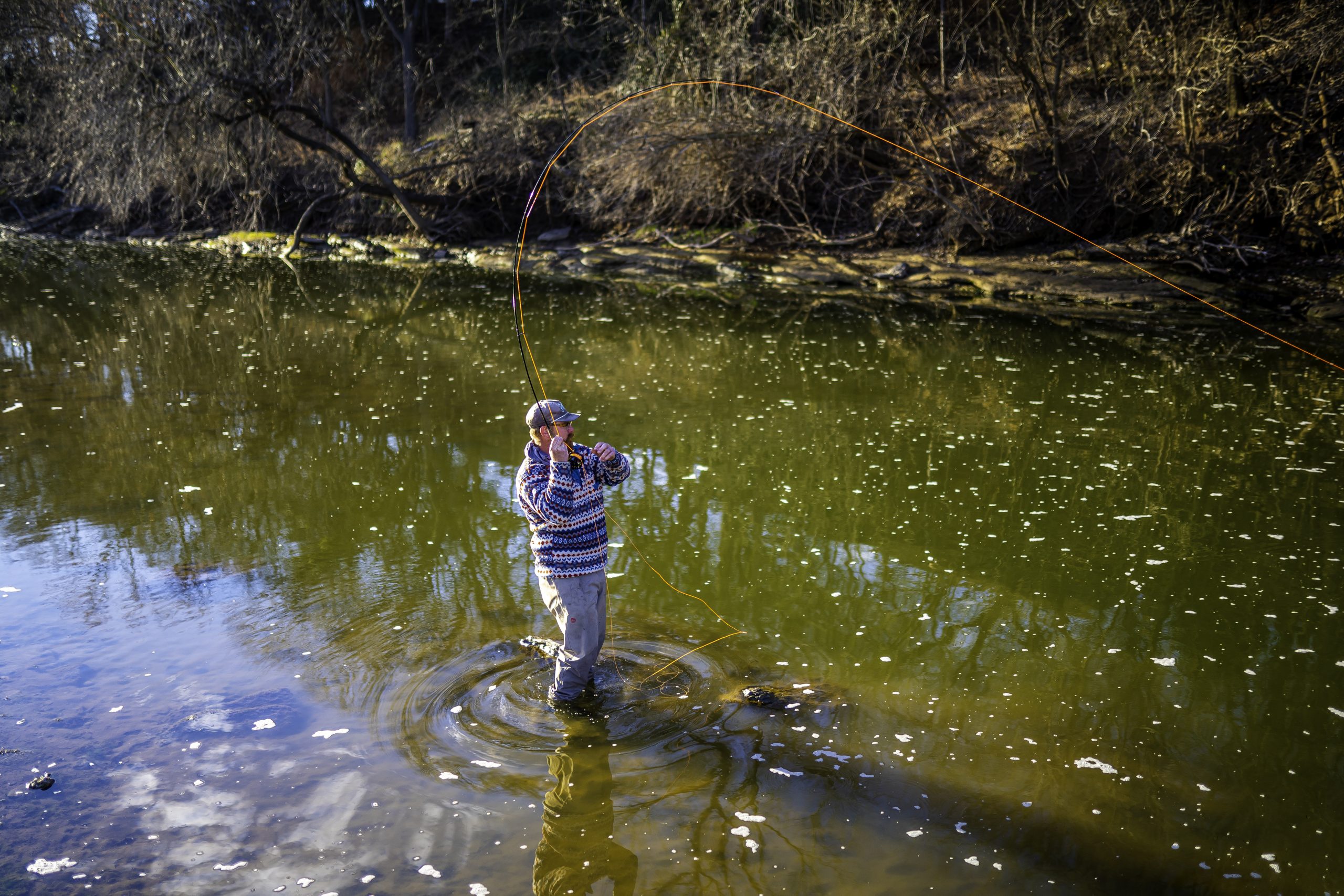
Texas is home to thousands of miles of rivers and creeks winding through forests, ranchland, and the limestone canyons of the Hill Country. For fishermen, kayakers, and especially fly anglers, these waterways are among the best in the South for exploring quiet stretches of nature.
From casting for bass on the Brazos River to paddling through the San Marcos or Llano, Texas rivers promise adventure at every bend. But before you launch your kayak or string your fly rod, it’s important to understand how Texas navigable waterways laws and river access rules work.
What Makes a Texas River “Navigable”?
Under Texas law, rivers and streams can be considered navigable in two main ways — navigable in fact and navigable by statute.
- Navigable in fact means the waterway can be used for transport or travel, even if it isn’t currently used that way.
- Navigable by statute is easier to measure. According to Texas Natural Resources Code Section 21.001, any river or stream that averages 30 feet wide from bank to bank is considered a navigable waterway.
That measurement includes the streambed, not just the flowing water, meaning a river that narrows during dry periods can still be legally navigable.
Who Owns the Water — and the Land?
If a river meets either navigable definition, it is public property, and Texans have the right to use it for lawful recreation such as fishing, kayaking, canoeing, and fly fishing.
However, while the water and riverbed belong to the state, the land above the banks is typically private property. This distinction causes many misunderstandings.
As long as you stay within the riverbed, you may wade, cast, or paddle legally. But crossing private land to reach or leave the water without permission is trespassing.
River Etiquette for Fly Fishers and Kayakers
For fly fishermen and kayak anglers on the Brazos River, you can enjoy the water as long as you access it legally and stay within the river channel.
You may stop on gravel bars or sandbanks within the riverbed, take breaks, or portage around obstacles such as low-water crossings or fallen trees, provided you don’t climb the banks onto private land.
The boundary between public and private property is known as the gradient boundary, marking the average height of the river’s flow. It’s not visibly marked, but as a rule of thumb — if you’re well above the normal waterline on dry grassy land, you’ve likely crossed into private territory.
Legal Public Access Points
To access the river legally, use a public entry point. Many paddlers and anglers use bridge crossings, which are typically located within public rights-of-way managed by the Texas Department of Transportation (TxDOT).
These crossings often provide safe, lawful entry for kayaks and fishing trips, including popular Brazos River access points near:
- Possum Kingdom Lake
- Whitney Dam
- Below Lake Granbury near Glen Rose
Other reliable access options include:
- State and county parks
- Public boat ramps
- Texas Parks and Wildlife Department paddling trails
Several paddling trails follow scenic stretches of the Brazos River and other Hill Country streams. Always research your route before heading out, as access can be limited in rural or ranching areas.
Respect and River Stewardship
Respect for landowners and good river etiquette keep Texas waterways open and enjoyable for everyone.
- Always pack out your trash
- Avoid camping on private land without permission
- Keep noise low near homes and ranches
- Don’t damage fences or disturb livestock
- Use caution near low-water crossings or small dams, where currents can be strong
Fly Fishing on the Brazos River
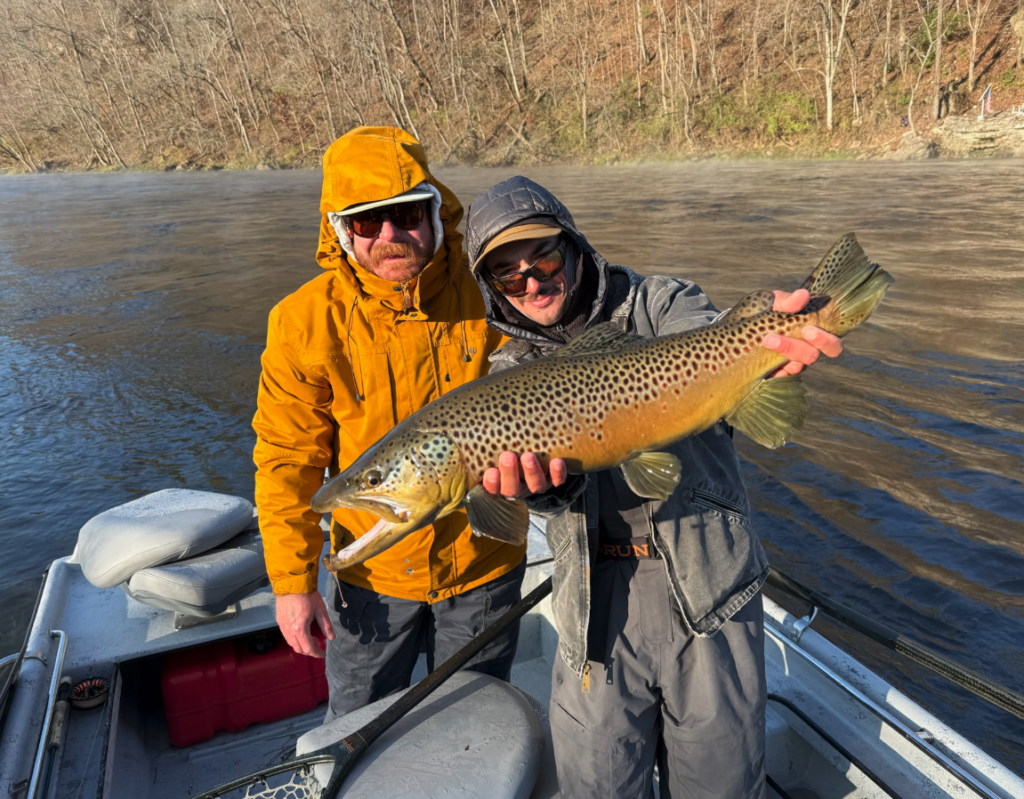
For fly anglers, the Brazos River offers unique opportunities for both warmwater and coldwater fishing.
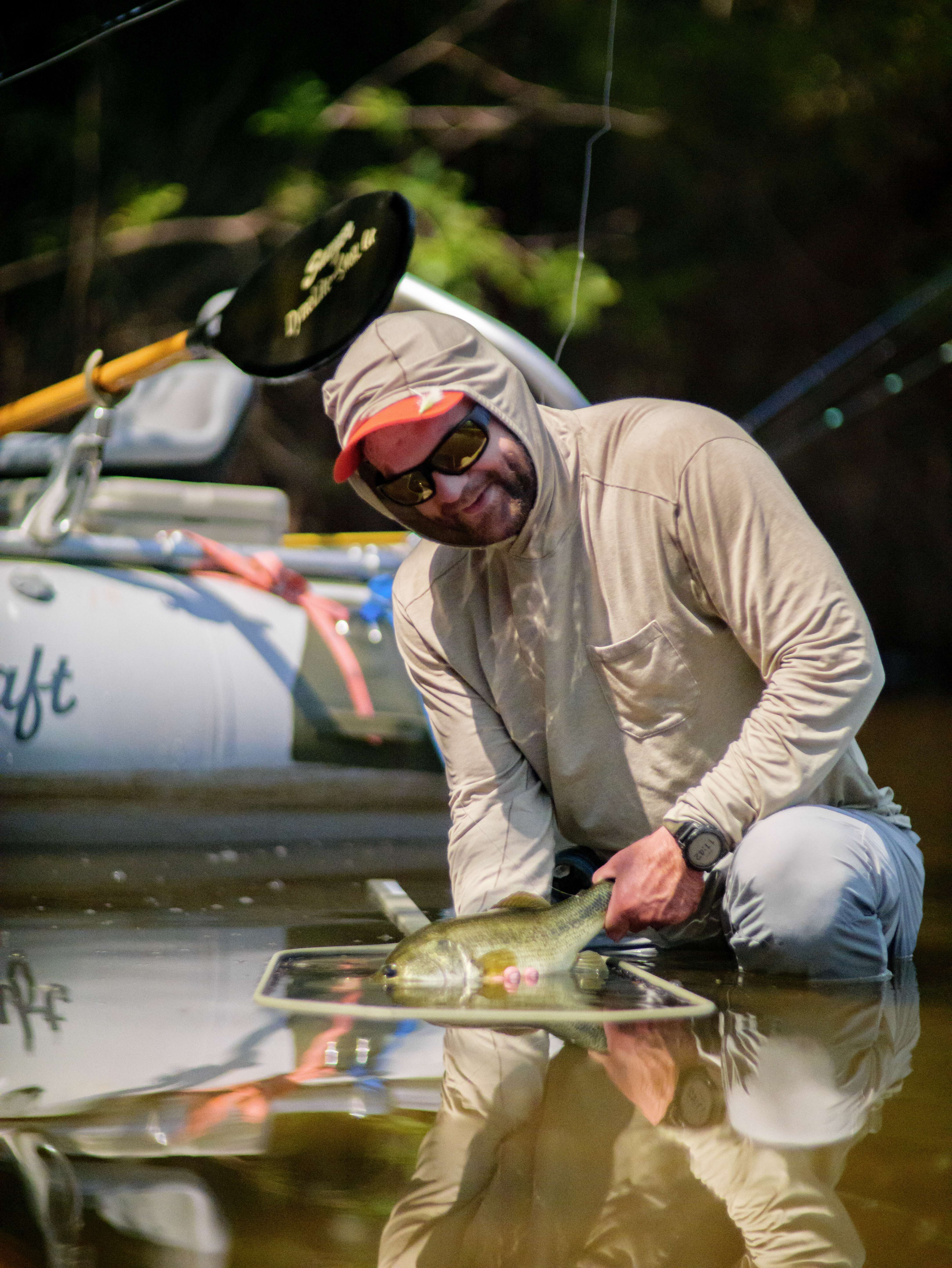
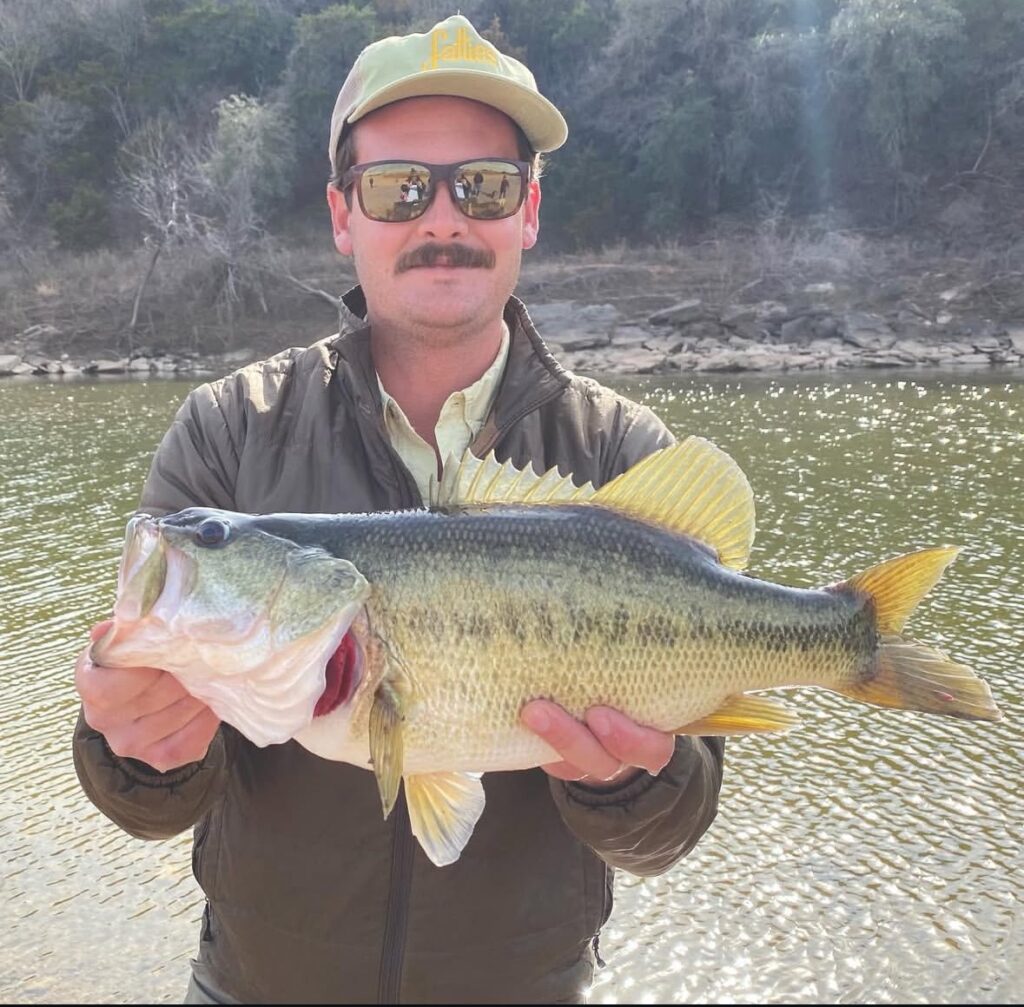
Below the dams, you’ll find striped bass, white bass, largemouth, and even smallmouth bass in some stretches. The river’s riffles and deep pools make for excellent Texas fly fishing, and the steady current allows for long floats ideal for kayak fishing trips.
Many anglers launch at public bridge crossings and float several miles downstream, stopping to wade and cast along gravel bars.
Key Takeaways for Texas Anglers and Paddlers
In simple terms:
- Any Texas river averaging 30 feet wide is considered public.
- The water and riverbed are state property, but the banks and surrounding land are private.
- Legal entry comes from bridges, public ramps, or parks — not through private land.
- Fishing, wading, and kayaking are lawful as long as you remain within the river channel.
Enjoy Texas Rivers Responsibly
Texas rivers like the Brazos, Llano, and San Marcos make the Lone Star State a paradise for paddlers and anglers.
Understanding Texas river access laws and navigable waterway rules ensures that everyone can enjoy them safely and legally. Whether you’re casting dry flies to spotted bass on the Brazos or gliding through a quiet Hill Country stretch, respecting both the land and the law helps keep these incredible waters open for generations to come.
For more detailed information visit our friends below:
TPWD: Texas River Guide
Brazos River Outdoor Center
Brazos River Authority: Resource Library