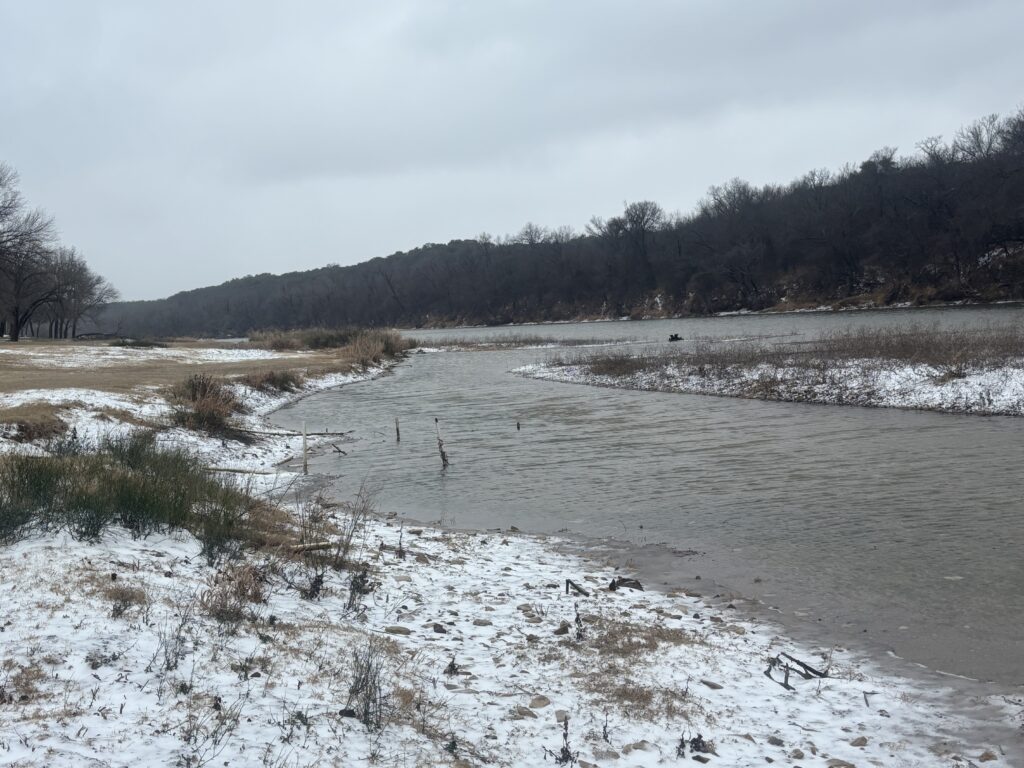
Does the River Shiver

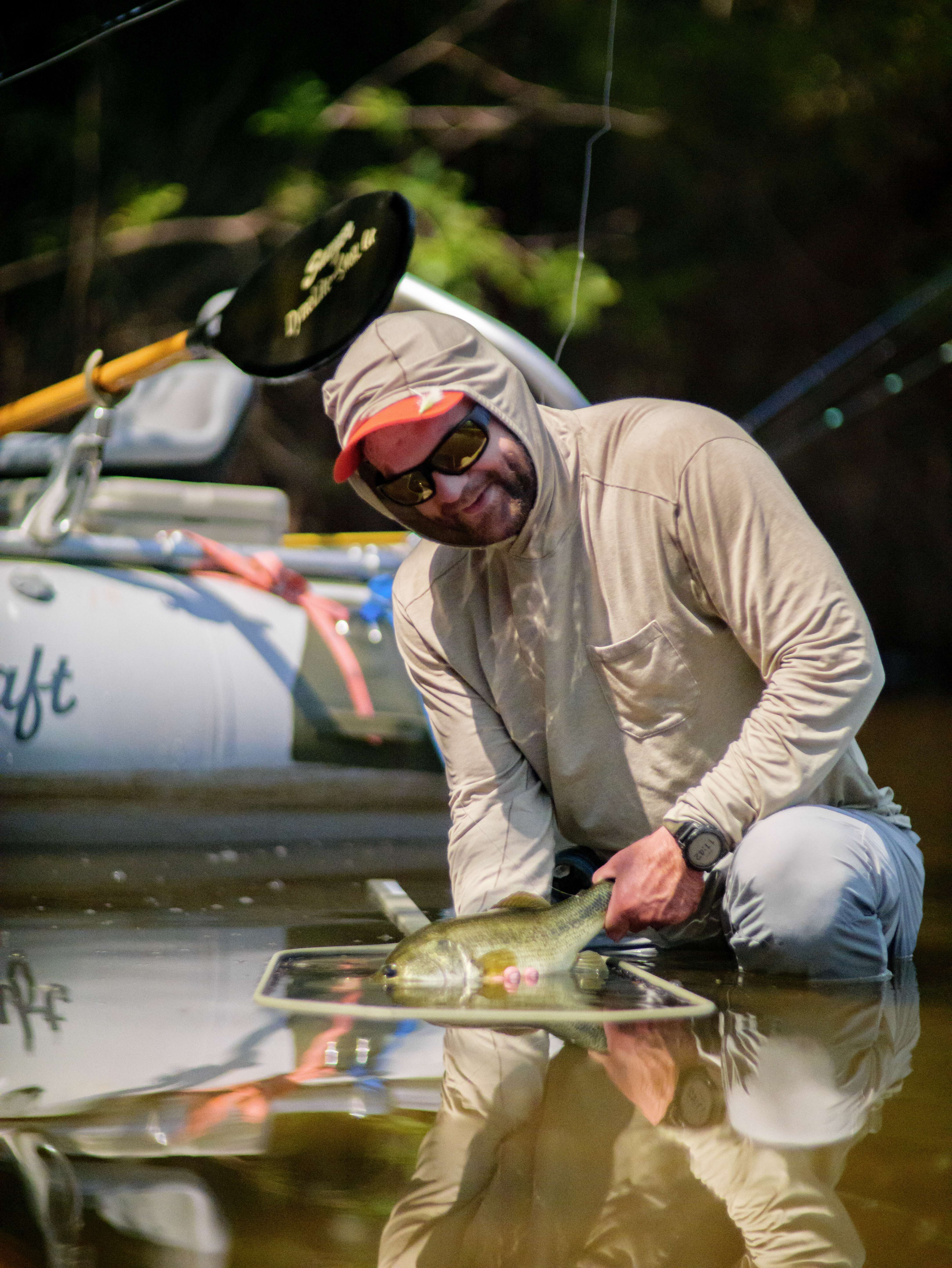
As water temperatures begin to drop, many anglers hang up their rods and wait for warmer days. But for those willing to brave the cold, winter fly fishing can offer some of the most rewarding opportunities of the year. This transitional period is one of the most overlooked yet productive times to target large predatory fish on the fly.
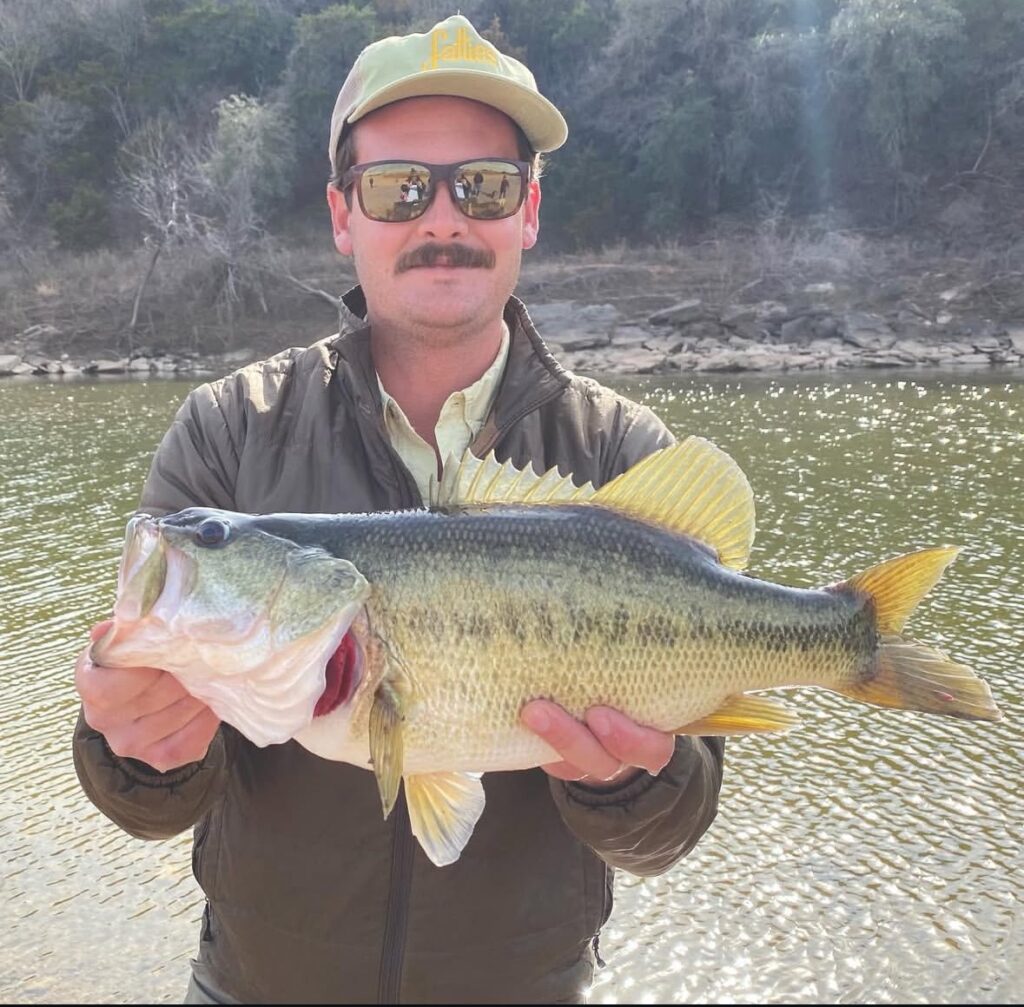
When air and water temperatures decline, the behavior of fish changes dramatically. Larger predators—such as bass—feed less frequently and become far more selective in their forage choices. Their metabolisms slow, meaning they conserve energy and avoid unnecessary risk. While this might sound discouraging, it actually creates a unique advantage for anglers who understand how to adjust their approach.
Perhaps the most significant benefit of winter fishing is the dramatic decrease in fishing pressure. As crowds thin out, fish are exposed to fewer flies and lures, making them more receptive to well-presented patterns. This combination of reduced pressure and predictable cold-water behavior creates an ideal window for anglers to connect with quality fish that may not have seen a fly in weeks—or even months.
During colder months, baitfish like shad and minnows often become sluggish, migrate, or die off altogether. While they can still be effective at times, they are no longer the most reliable food source. Crawfish, on the other hand, remain active far longer into winter and provide a consistent, high-protein meal for predatory fish.
Crawfish tend to inhabit bottom structure that retains heat, such as rocks, clay banks, and boulder fields. These areas warm slightly during the day and become natural holding zones for bass and other predators. Fish understand this pattern well and often position themselves nearby, waiting for an easy, calorie-dense opportunity.
This is where fly anglers can truly shine by slowing things down and fishing with intention.
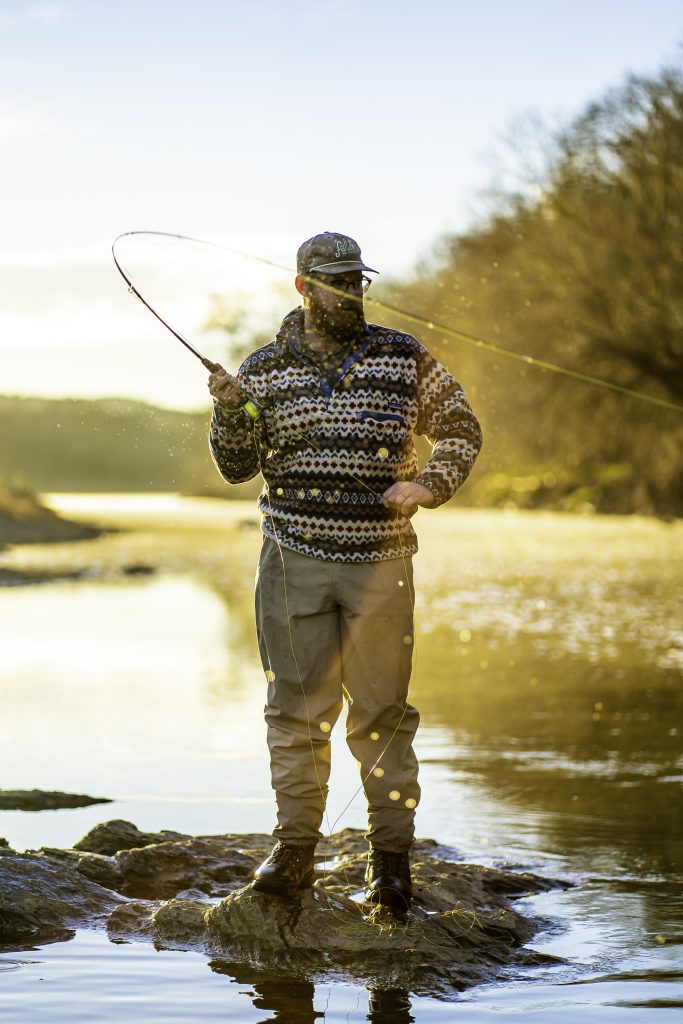
Over the years, I have refined several cold-weather techniques that consistently produce results on guided waters. Two of the most effective methods include:
Slowly dragging baitfish patterns when fish are suspended or lightly active
Dredging damsel fly nymphs and crawfish patterns along the bottom where fish are holding
While each technique has its place, my go-to approach during winter is slowly dredging a crawfish pattern using an intermediate tip fly line.
When forage becomes scarce, bass prioritize efficiency. Crawfish offer exactly what they’re looking for: high calories, predictable movement, and minimal effort to capture. Unlike fast-moving baitfish, a crawfish creeping along the bottom presents an irresistible and low-risk target.
I have found the most success fishing crawfish patterns tight to boulders and rocky structure, especially areas exposed to sunlight. These structures retain heat throughout the winter, subtly increasing activity levels both for crawfish and the predators hunting them.
The key is patience. A slow-moving fly fished deep in the strike zone will almost always outperform faster retrieves during cold conditions.
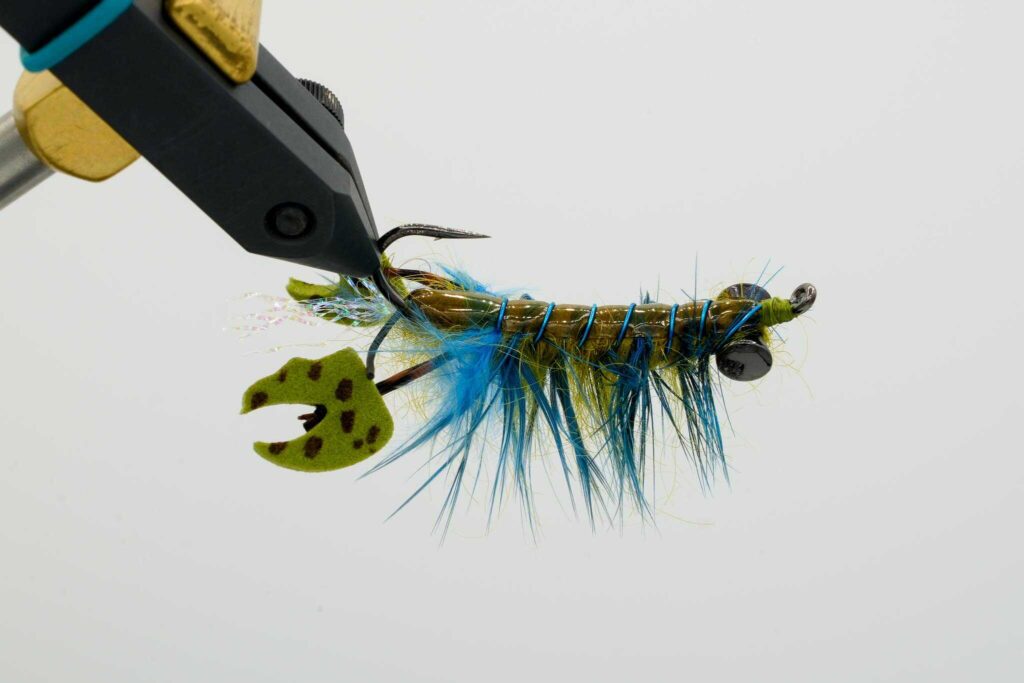
The most effective pattern I rely on is Ritt’s Fighting Craw in a size 8. What sets this fly apart is its foam claws, which float and flutter naturally, even at extremely slow retrieve speeds. This subtle movement mimics a real crawfish’s defensive posture and keeps the fly looking alive without aggressive stripping.
Retrieve strategy matters and should change throughout the day:
Morning: Long, slow strips (24–36 inches), gently dragging the fly along the bottom
Midday: As temperatures rise slightly, switch to a fleeing retrieve with short, sharp strips followed by brief pauses to trigger reaction strikes
Dragging or lightly hopping the fly across the bottom perfectly imitates natural crawfish movement. Materials like foam claws or soft rubber legs add lifelike motion, even when the fly is barely moving.
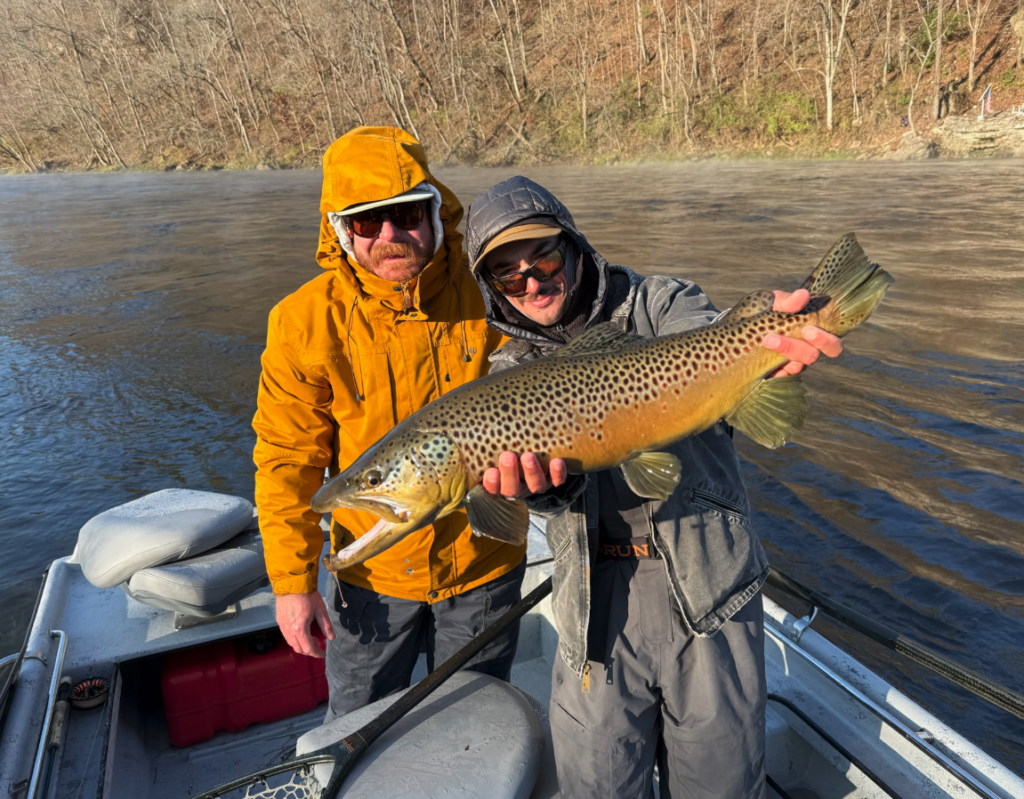
Winter fly fishing isn’t about numbers—it’s about opportunity. Fewer anglers, predictable fish behavior, and the chance at truly memorable fish make this season incredibly special. With the right approach, proper fly selection, and a willingness to slow down, cold-water conditions can produce some of the biggest and most rewarding catches of the year.
“However you choose to pursue these winter fish, be sure to get out there. You just might stumble into the fish of a lifetime.”
If you’re looking to refine your winter fly fishing skills or want to experience these techniques firsthand, booking a guided trip during the colder months might be the best decision you make all season.
This is awesome Ben!!!
Thanks for sharing
Thanks Russel! Good luck out there partner!