The Ultimate Guide to the Texas White Bass Run
Author: Keagan Walls, Fatties Guide
Every spring, Texas rivers come alive.
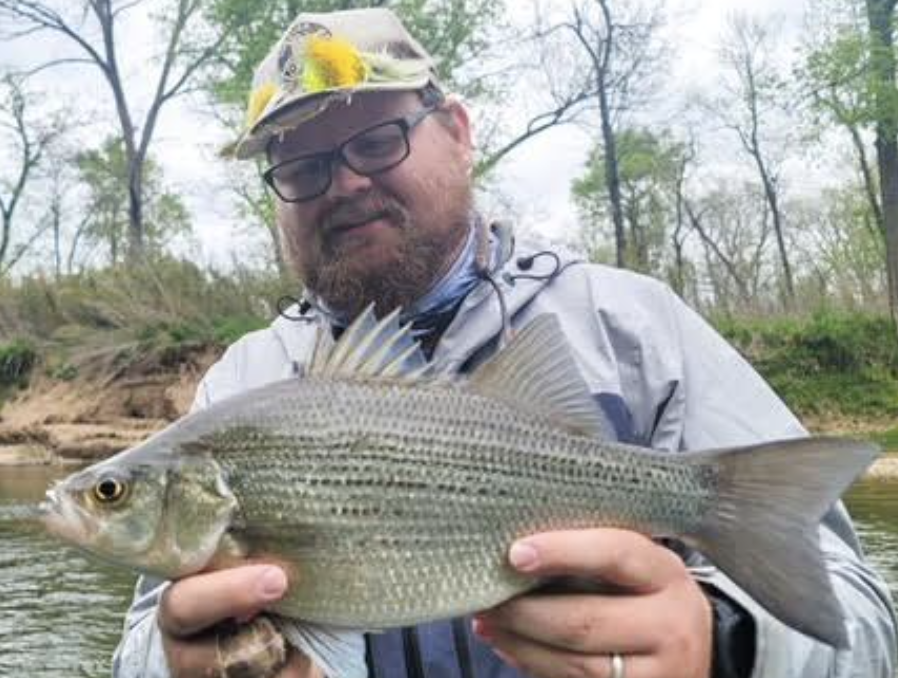
Just like salmon make their annual spawning migration, White Bass (Morone chrysops) push upstream into creeks and rivers across the state. If you’ve heard them called sand bass, barfish, or silver bass — you’re not wrong. But make no mistake: these hard-fighting fish are true temperate bass, cousins to striped bass, yellow bass, and hybrid stripers.
If you want to experience one of the most exciting and accessible fisheries in Texas, the white bass run is your opportunity.
At Fatties on the Fly, we’re breaking down everything you need to know — from timing and fish ID to gear selection and fly choice — so you can make the most of this seasonal window.
For guided trips, gear recommendations, and fly selections, visit:
https://www.fattiesonthefly.com
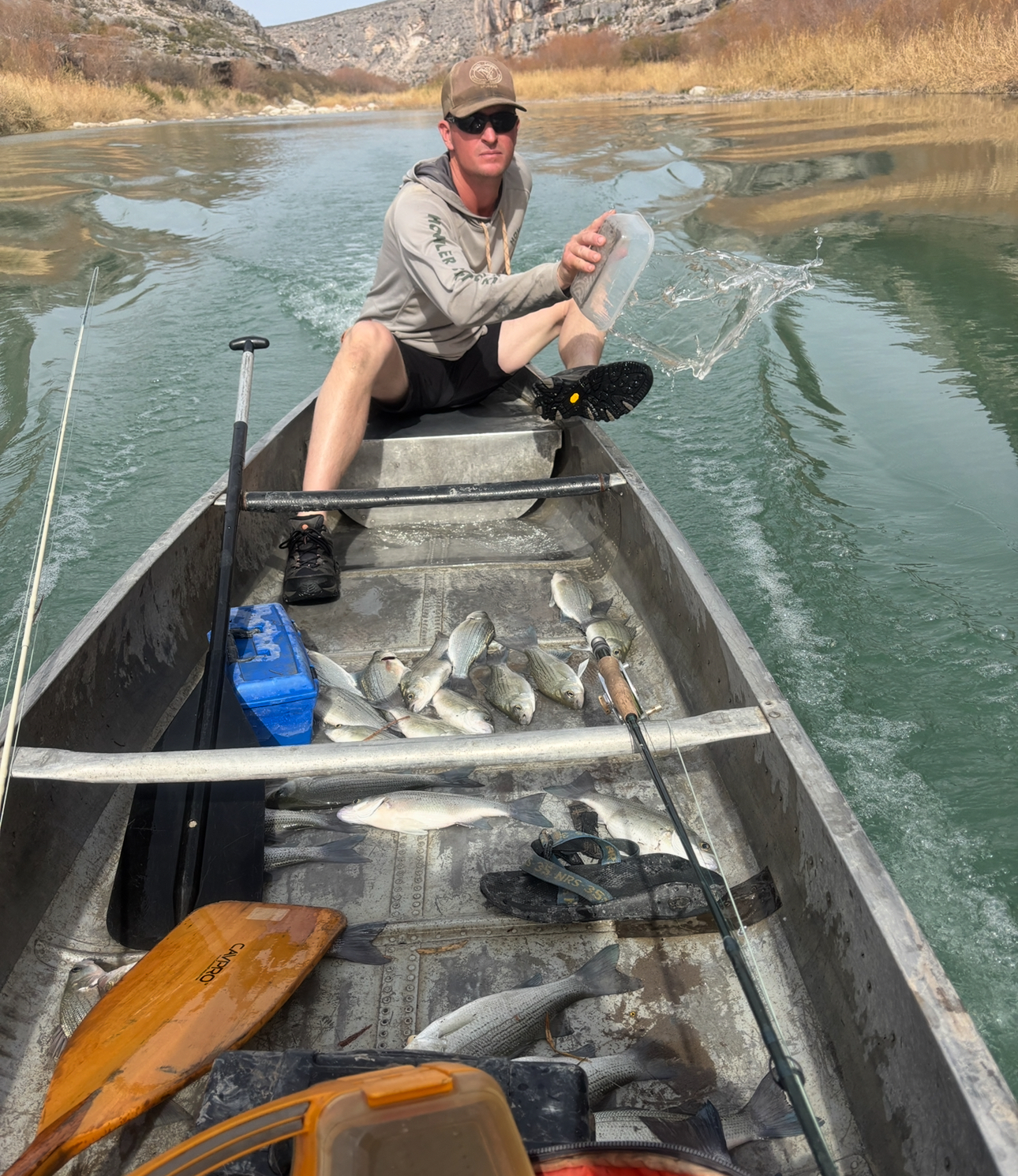
When Does the White Bass Run Start?
The spawn is triggered when water temperatures hit 55–58°F.
You’ve probably heard the saying:
“White bass are running when the dogwoods are blooming.”
That’s not just folklore — it’s phenology, the study of seasonal biological events. As soil temperatures rise and dogwoods bloom, water temperatures often fall into that same spawning window.
Another tell-tale sign?
Every bridge and river access point is lined with trucks.
Why White Bass Are Perfect for the Fly Rod
Winter fishing in Texas can mean slow presentations and heavy flies crawled along the bottom. But when the white bass run kicks off, it’s a different game.
White bass:
Fight hard for their size
School aggressively
Eat small baitfish imitations with confidence
Are accessible in wadeable creeks and floatable rivers
Once the run begins, focus on gravel-bottom areas, which are preferred spawning habitat. Their eggs hatch quickly — in just 2–3 days — which means fish may also be striking defensively around fry.
The Right Gear for the Job
You don’t need anything exotic, but the right setup makes a huge difference.
Rods
3wt–7wt
(Smaller rods are a blast, but expect bycatch.)
Lines
Weight-forward floating line
Sink-tip line or poly leader (highly recommended)
Full sinking line (especially in higher flows)
When we scout rivers during the run, sink tips and sinking lines consistently outperform floating lines, especially when fish are holding deeper around structure.
Leaders
9ft leaders in 3X–1X
If you need to gear up, you can find everything required for success at:
Orvis Dallas:
https://stores.orvis.com/us/texas/dallas
Orvis Fort Worth:
https://stores.orvis.com/us/texas/fort-worth
Both locations carry the rods, lines, leaders, and flies to get you dialed in for the run.
Techniques That Produce
Cast across and slightly upstream
Let the fly sink
Allow it to swing through the current
Strip fast and sharp
Add pauses if needed
If you hook one, fish the area thoroughly. White bass rarely travel alone.
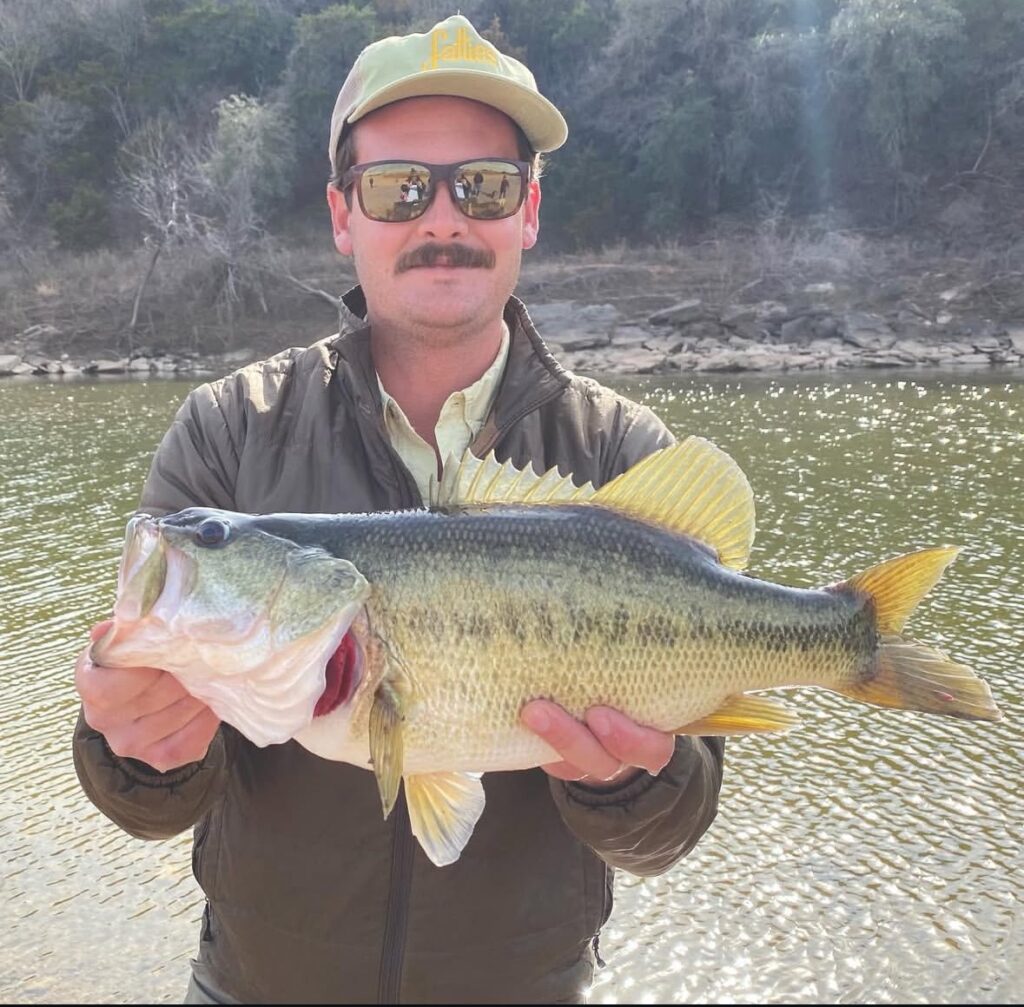
Expect a Family Reunion (Know Your Species)
During the run, you may encounter:
Striped bass
Hybrid stripers
Yellow bass
Largemouth bass
Crappie
Carp
Smallmouth buffalo
If you plan to keep fish, identification is critical.
Texas Bag Limits:
White Bass: 25 fish, 10-inch minimum
Yellow Bass: No limit
Striper/Hybrid Striper: 5 fish combination, 18-inch minimum
Always confirm regulations before fishing.
Texas Parks & Wildlife Fish ID Resource:
https://tpwd.texas.gov/regulations/outdoor-annual/fishing/freshwater-fishing/bass-identification
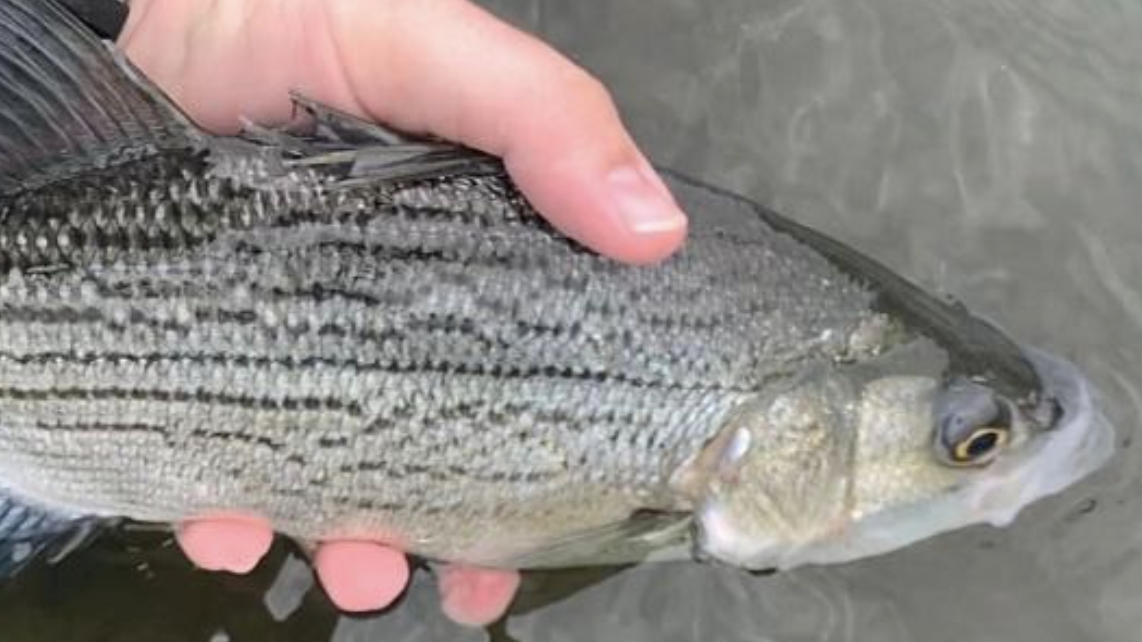
Key identifiers:
Body shape
Tooth patch
Lateral line pattern
Broken striping does not automatically mean hybrid.
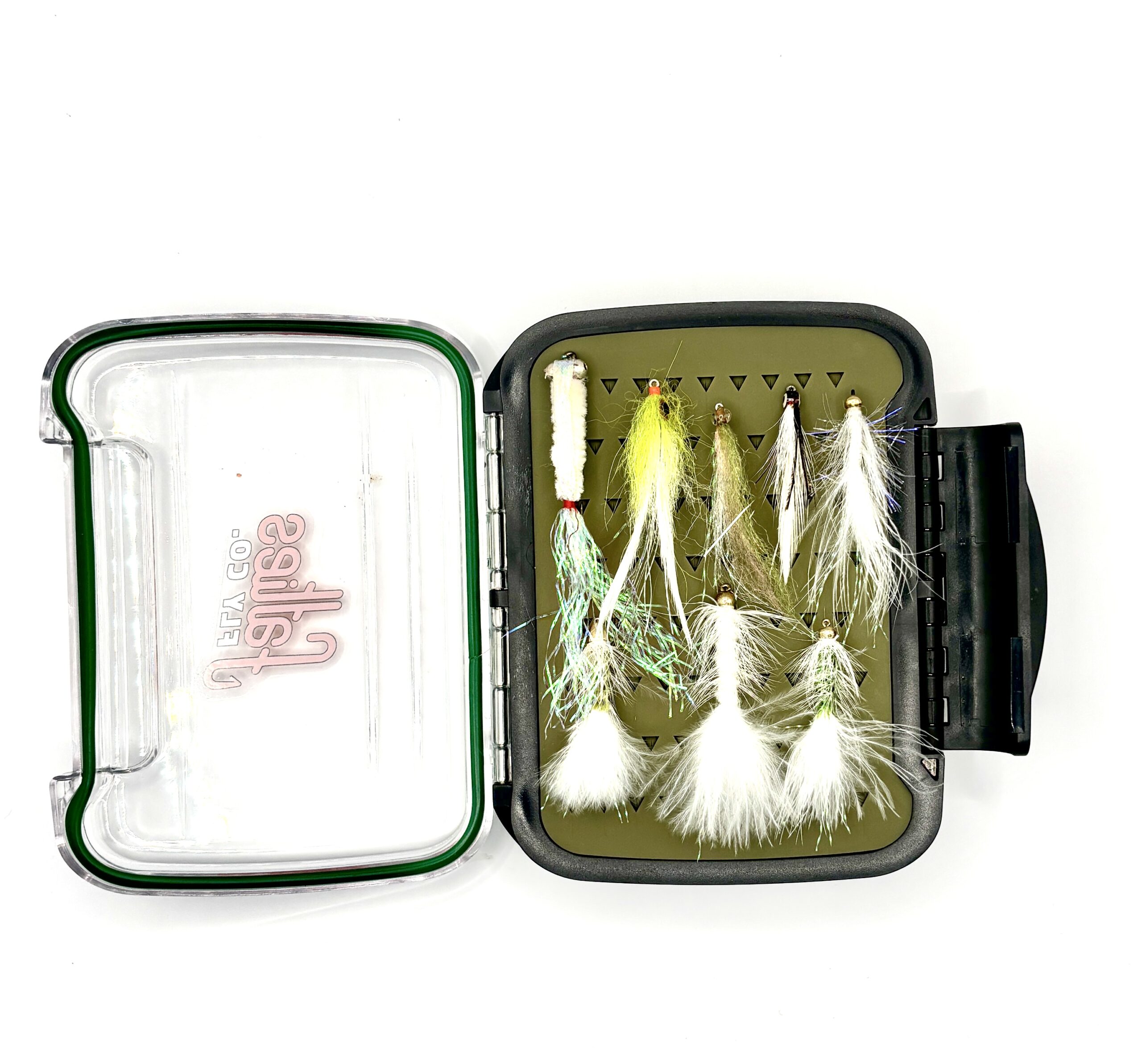
Best Flies for White Bass
Small baitfish imitations dominate.
Common forage species:
Shad
Blacktail shiners
Carry both slim and full-profile patterns:
Cypert Minnow style flies
Deceivers
Clousers (a must)
Reliable color combinations:
Chartreuse/white
Grey/white
Olive/white
All black
Pink/chartreuse
Brown/white
Match fly weight to depth and current:
Heavier for deep or fast water
Lightly weighted for shallow runs
Bonus tip: Small crawfish patterns can be deadly, especially when the bite slows down.
You can find many of these patterns at Orvis Dallas and Orvis Fort Worth, or check out curated fly selections and trip information at:
https://www.fattiesonthefly.com
Ready to Experience the Run?
The white bass run is fast-paced, accessible, and one of the most exciting fisheries in Texas.
If you want to:
Learn how to time it correctly
Dial in your gear
Improve your fly selection
Or book a guided trip
Head over to www.fattiesonthefly.com and get started. Or join us at Orvis Dallas this Friday, the 27th, for an in store presentation.
Spring won’t wait — and neither will the fish.