Hillbilly Coho and Their Kin Folk: The White Bass Run in Texas

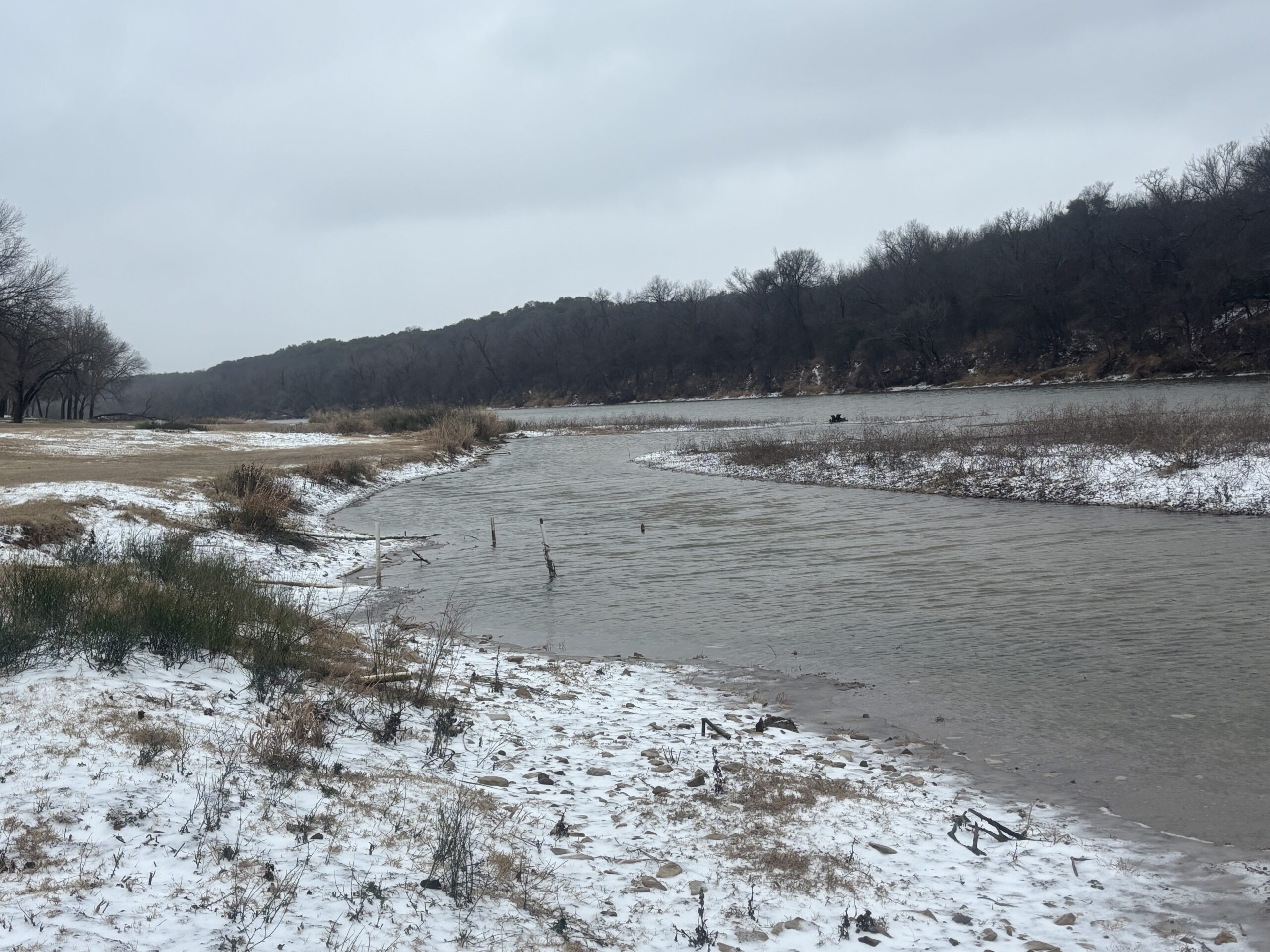
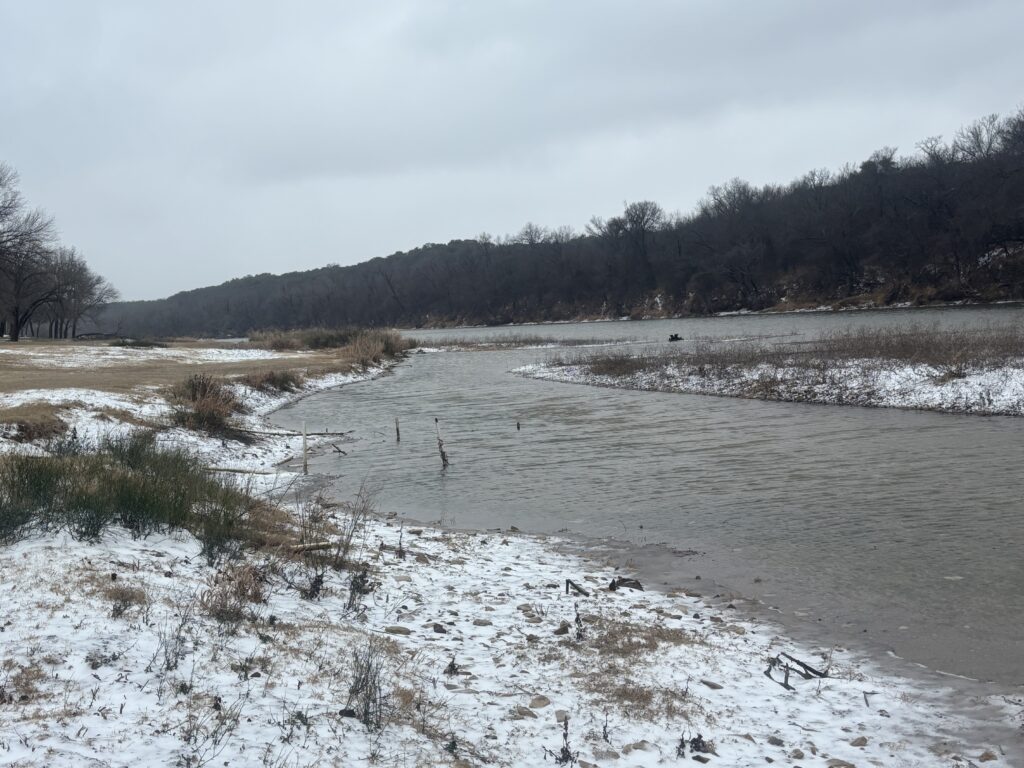
So here we are, looking straight into the headlights of a severe winter storm sweeping across Texas. Temperatures will plummet, nearing the single digits. Weather forecasters tell us to expect highs to stay below freezing for two to three days. On our stretch of the Brazos River—shallow, with a slow flow rate this time of year—what can we expect the fish to do?
To better understand how fish behave, we need to know how water behaves. The physical properties of water are fascinating. Water at 39° is the heaviest and most dense it can be. As it warms from that temperature or cools from it, it becomes less dense. At 32°, what happens to water? It becomes ice. Ice floats. That means the water beneath the ice must be warmer than the ice, or it would also be frozen. Fish instinctively know this, and they head toward deeper water to maintain the best temperature they can find—which certainly will not be cold enough to freeze.
The majority of fish will move toward deeper water. When you think about it, water temperatures in the river must be warmer than the air temperatures, or the river would freeze solid. That is not going to happen, so the fish will not be subjected to the full severity of the winter air. Populations of gizzard shad will congregate in like sizes. Game fish will hunker down in deeper water, often collecting in schools, and they will ride out the adverse weather. When we get on the backside of the storm—looking in the rearview mirror—we will see the fish begin to spread out and return to normal behavior for that temperature. The magic number is when the water rises back into the 50s.
When it is frigid in the air and the water temperature drops into the 30s, which is about to happen, fish metabolism slows way down. Food requirements drop, heart rates slow, and the fish simply exist.
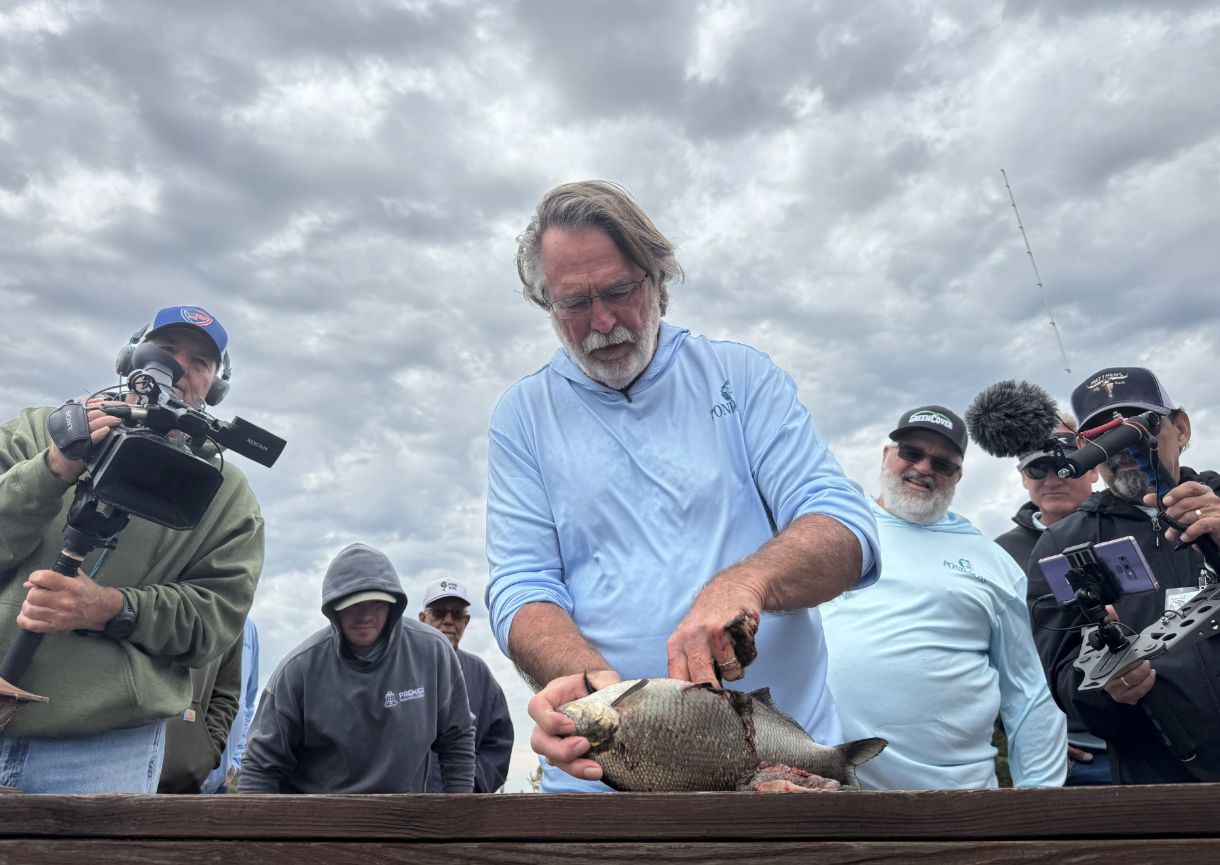
Most fish will be unharmed by this frigid temperature, but species like gizzard shad may lose a few of their weaker individuals. Gizzard shad are bottom feeders, seeking food among cobble and mud. If they have not gained enough weight over the fall to enter a cold spell like this, the weaker members of the community will die. I do not expect it to be many, and the bald eagles along the river will have a field day. This is one of the ways nature corrects itself.
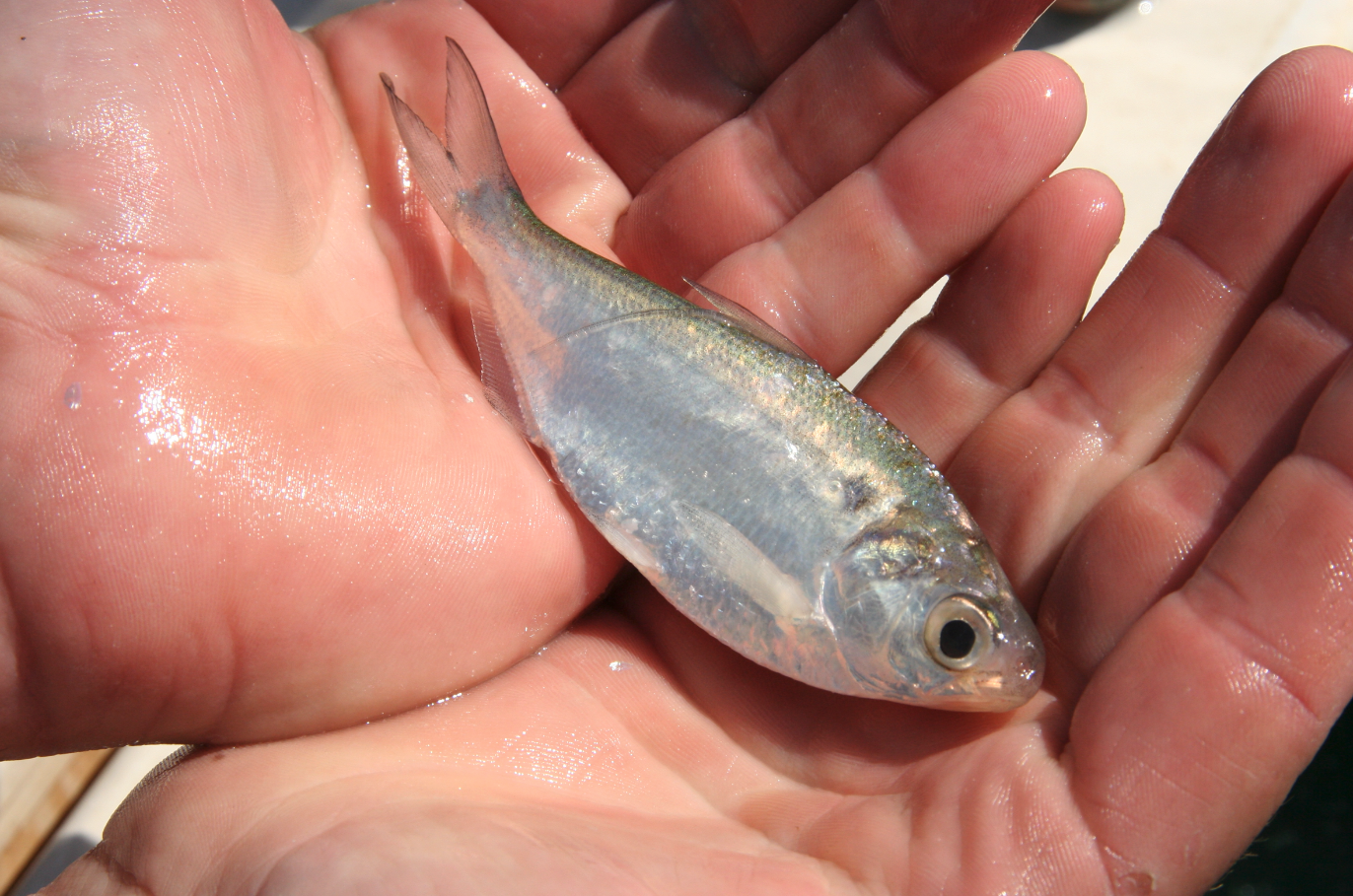
Here is one of the laws of nature: it will not allow a void, and it will push back on a bounty. If shad numbers are extremely high—higher than what the ecosystem can support—the correction will be that many are eaten by predator fish before winter, and the rest of the weaker shad will perish and become food for birds and other scavengers.
But if there is a void next spring, nature will fill it with a strong spawn. As anglers, what you should expect to see is this: target species will hunker down for a few days, and with the next warming trend, they will go about their business and resume the patterns you saw in the early winter months.
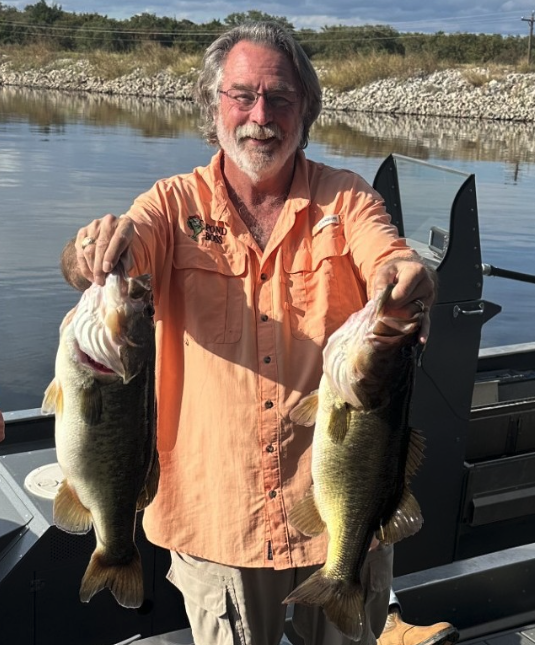
Warmwater species such as basses, sunfishes, and catfishes will weather this event and come out on the backside just as people will.
Bob Lusk, the Pond Boss, is in his forty-seventh year as a private-sector fisheries biologist and is editor of Pond Boss magazine, now in its thirty-third year of publication. Bob travels the nation helping people design premier fishing ponds and is particularly fond of the Brazos River, where he first discovered his passion for fish. Find his work at www.pondboss.com and on the highly active YouTube channel @ThePondBoss.