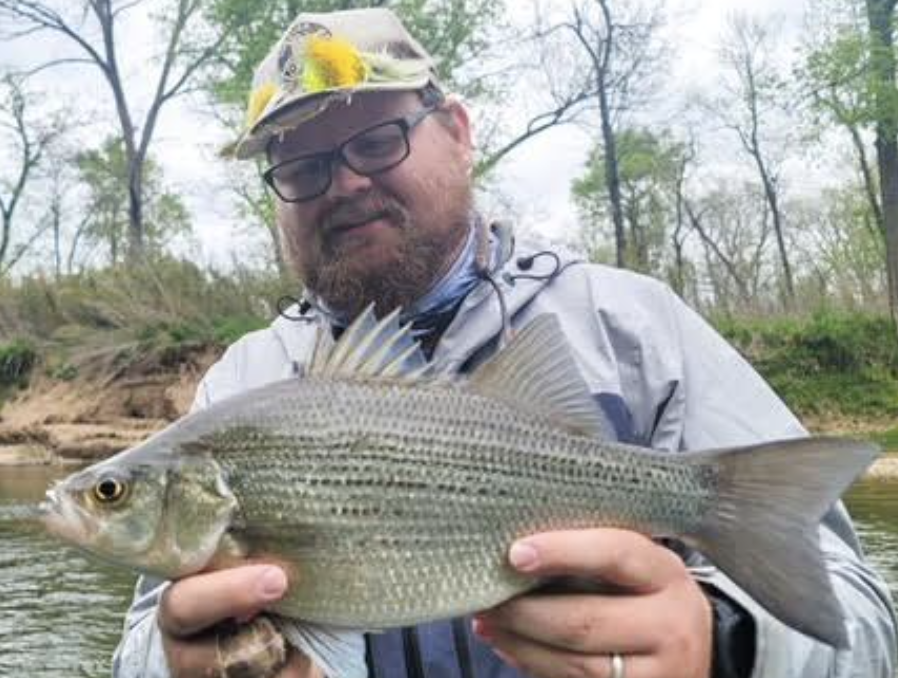
Hillbilly Coho and Their Kin Folk: The White Bass Run in Texas

Written by Fatties Senior Guide Mitchell Kempe
The plan was set.
The night before, the river was flowing at a comfortable 19 CFS. We knew rain was coming and expected a small bump in water, but nothing that would drastically change our strategy. The forecast lined up with what we’d been seeing, and I went to bed listening to distant thunder, already running through the next day’s game plan in my head.
We were going to spend the morning sight fishing.
Carp and gar had been showing well, and the low clear water conditions had set the stage for some incredible opportunities. Everything looked perfect.
Then Mother Nature decided she had other plans.
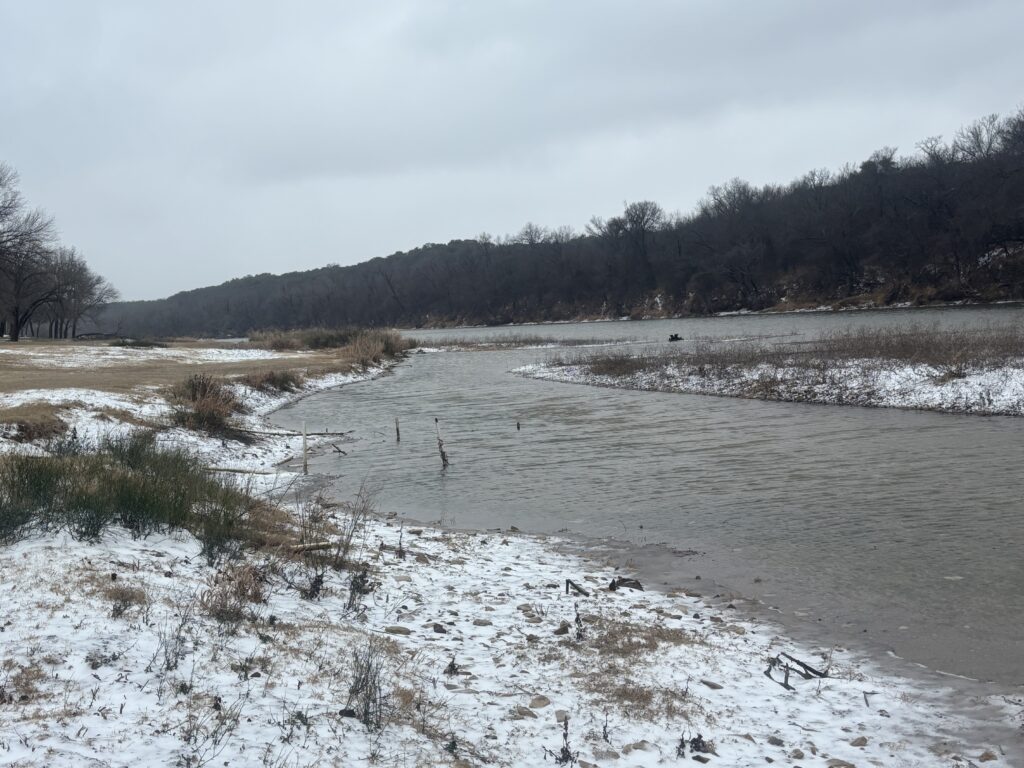
Sometime during the night, more than five and a half inches of rain fell across the watershed. When I woke up and checked the gauges, the river had jumped to 2,200 CFS. The water that had been clear the evening before now looked like chocolate milk.
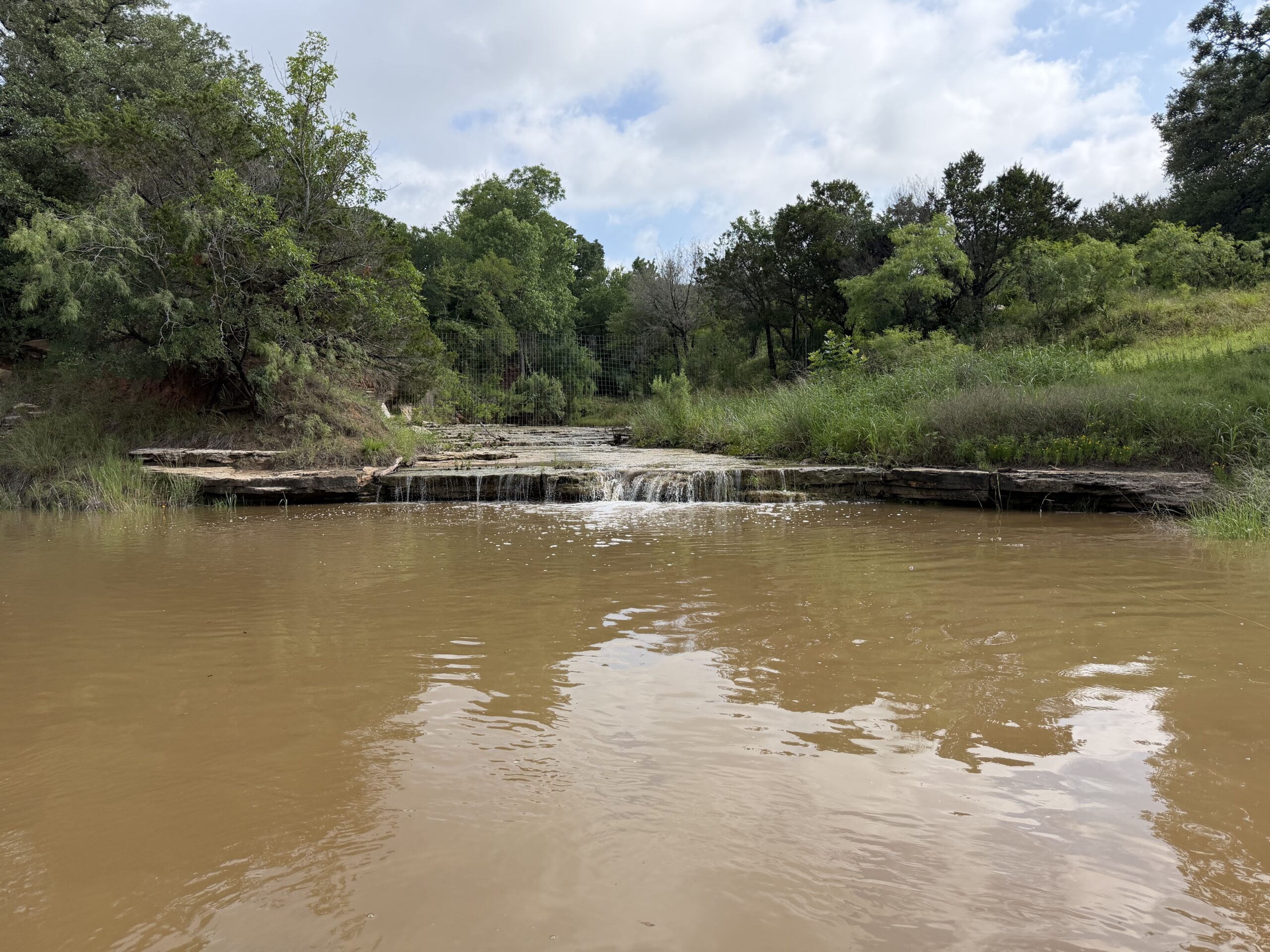
The game plan I had spent the night thinking about was gone.
I headed to the gas station to meet my clients, Michael and Michael, and as expected they arrived excited about the sight fishing possibilities I had described the day before. Instead, they got a crash course in adapting to river conditions. After a quick rundown of what had happened overnight, we loaded up and headed to the boat ramp.
Originally, the plan was to motor upstream toward the dam and spend the morning throwing small size 6-8, terrestrial bugs at visible carp and larger baitfish patterns at gar. By launch time, however, the river had already made the decision for us. There would be no running upstream.
The only direction to go was downstream.
As we floated into the first bend where Fall Creek enters the river, we found exactly what we were looking for: a defined mud line where stained and muddy water met.
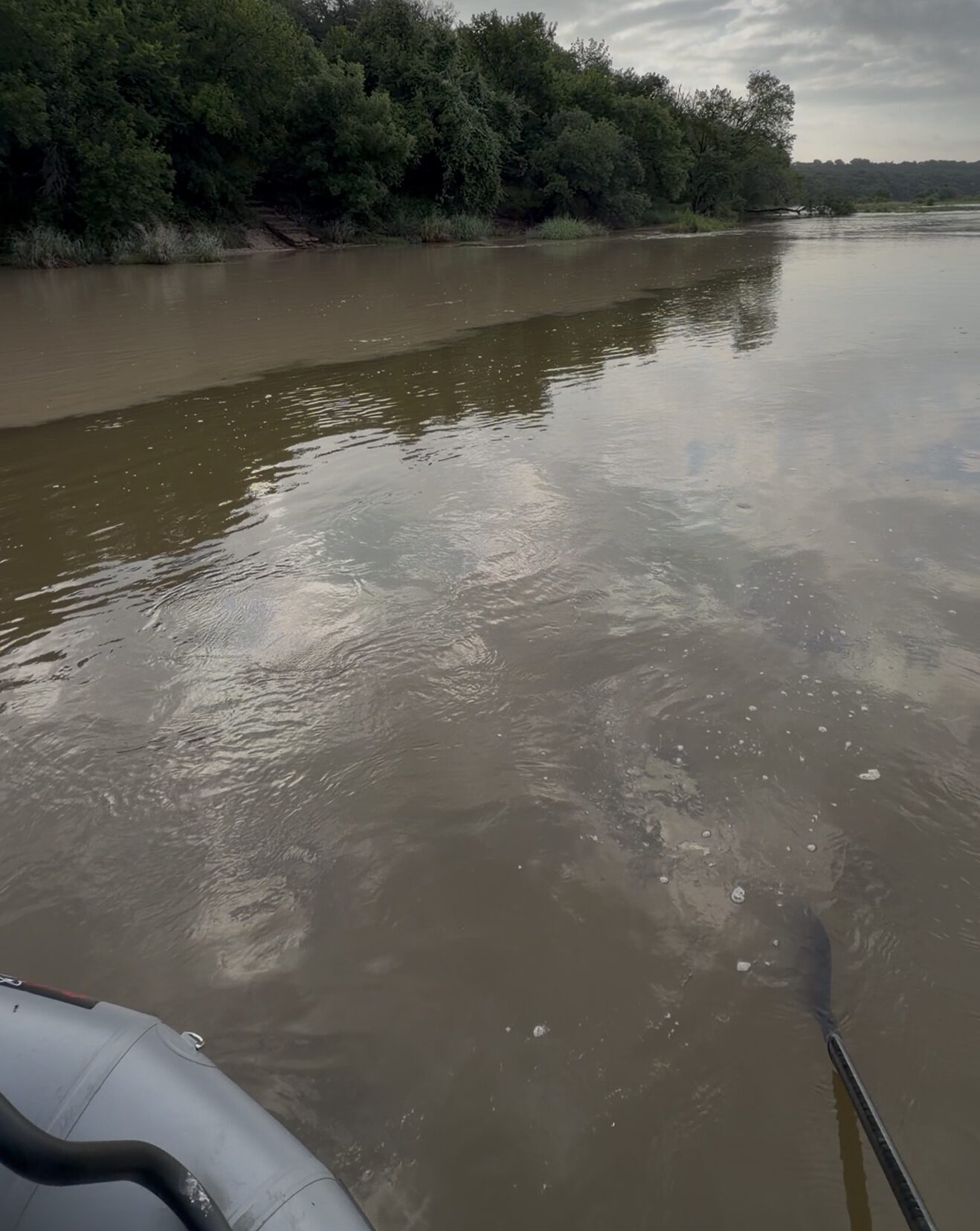
In high water conditions like these, those transition zones can become fish magnets. The strategy shifted from hunting individual fish to locating softer water where fish could escape the heavy current and adjust to rapidly changing conditions.
By 8:30 that morning, the river had climbed again, reaching nearly 5,800 CFS.
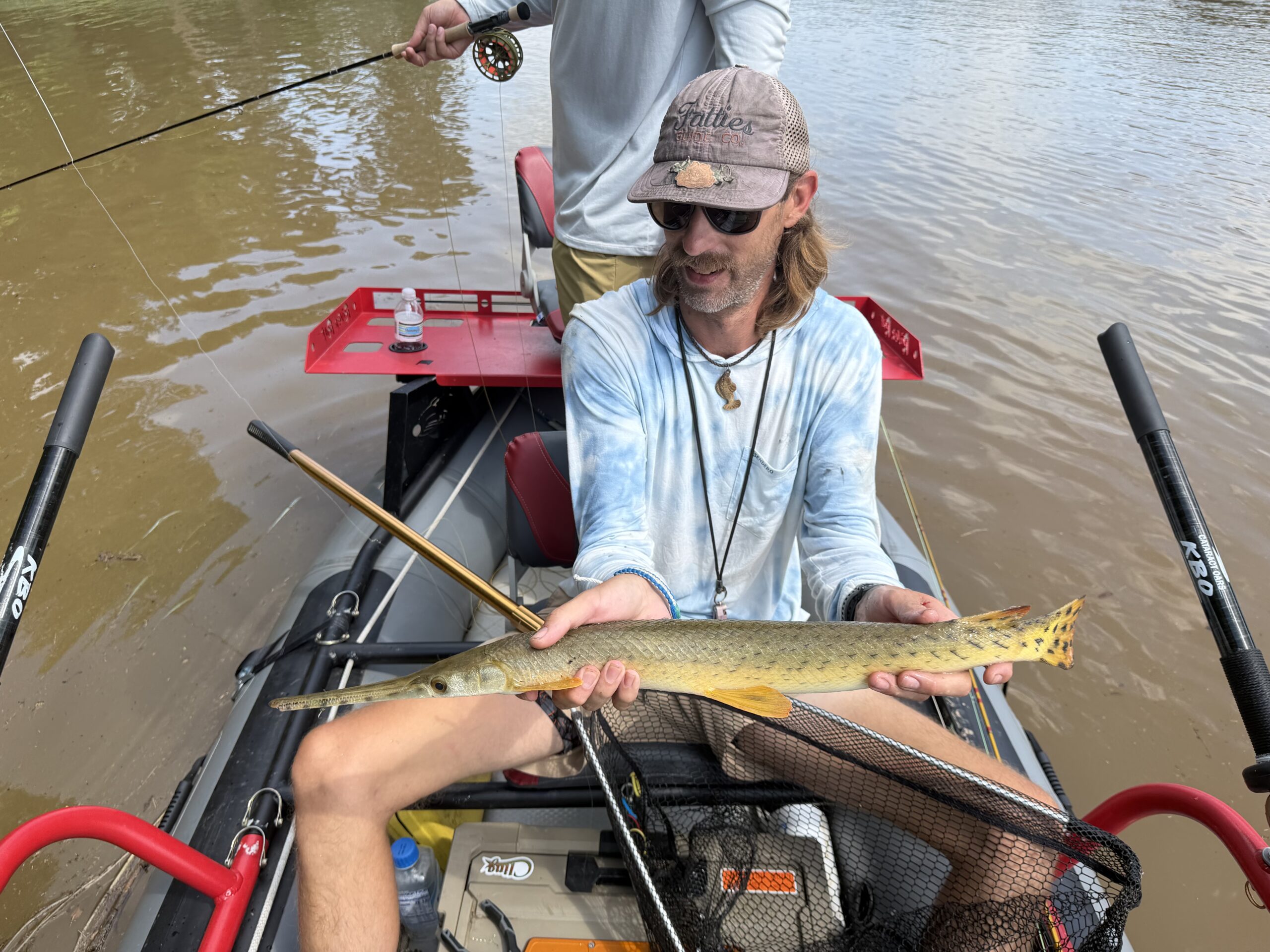
As the sun worked its way higher, the gar began to appear. The muddy water made things challenging. Instead of seeing fish from a distance and setting up a cast, we were getting only one or two seconds of visibility as gar surfaced for a quick gulp of air before disappearing again.
Every cast became a reaction.
See the fish. Deliver the fly. Hope you guessed right.
As the morning warmed, more and more gar started stacking into slower pools. Many were holding just inches beneath the surface, finally giving us targets we could consistently reach. For the next several hours, the action was steady. Gar after gar found the fly, launching into violent jumps and long runs that kept everyone smiling.
Meanwhile, the river continued to rise.
At 10:40, the dam operators increased releases again, pushing flows to roughly 8,800 CFS. By the end of our float around 11:40, the river had reached an impressive 10,800 CFS.
In just a few short hours, we had watched the river transform before our eyes.
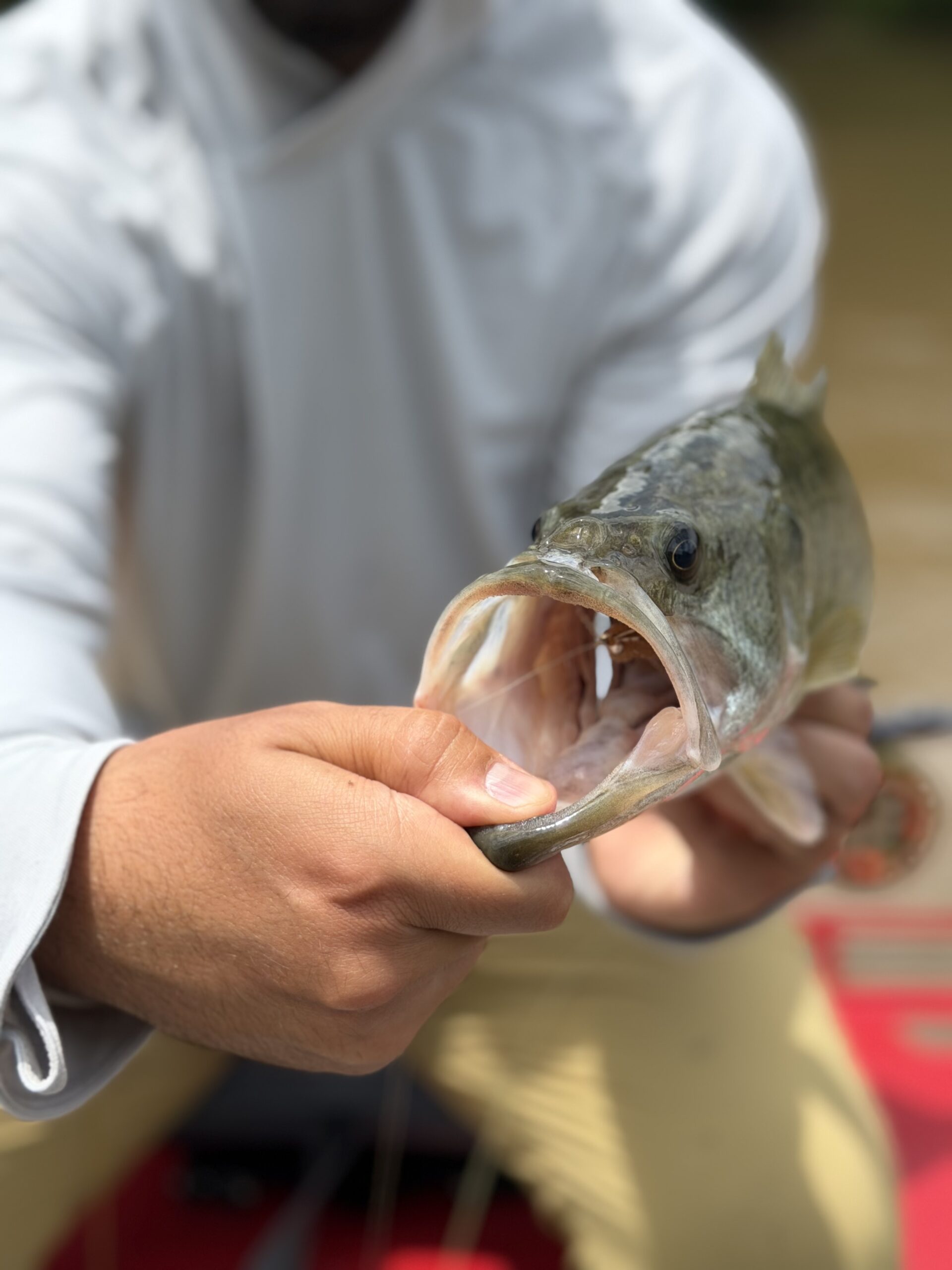
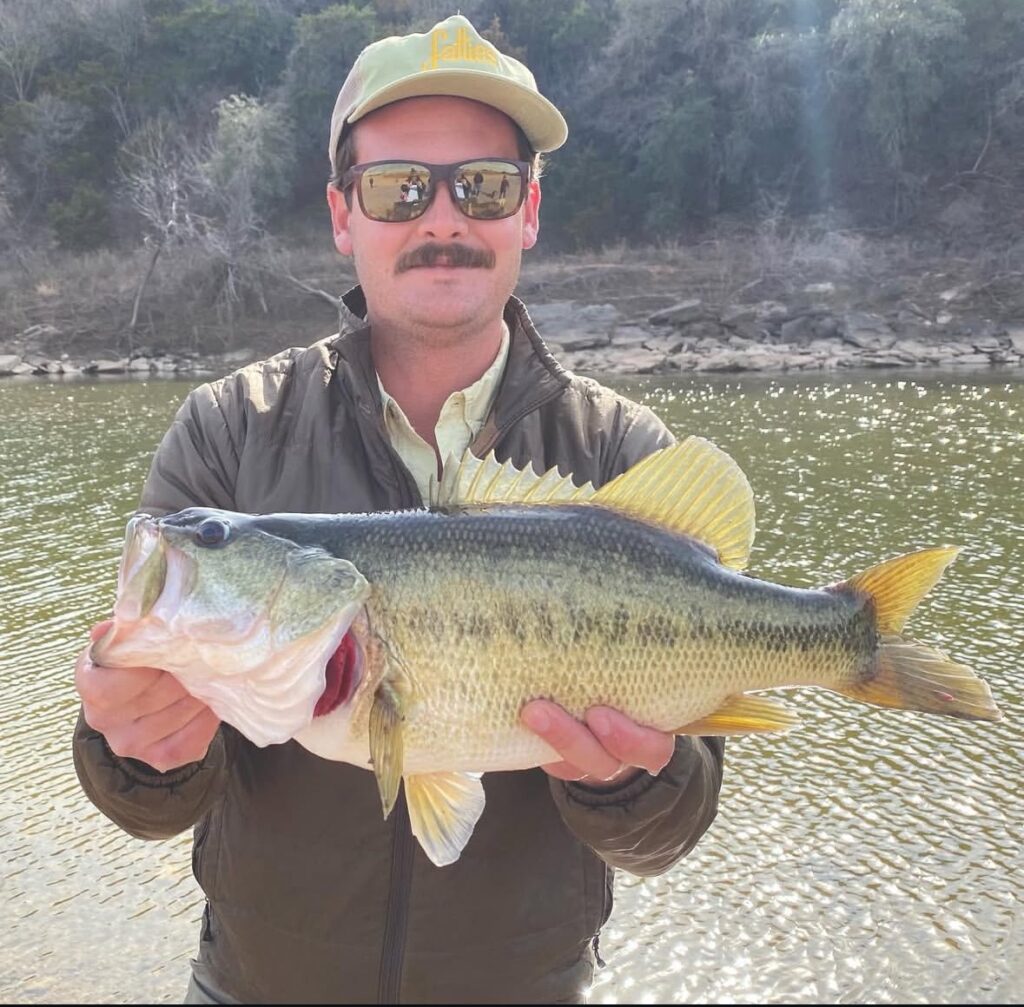
The final hour of the trip produced one more surprise. Working a crab pattern beneath a popper along the edge of softer water, we connected with a solid bass. With the fish forced out of its normal bank-side cover by the rising current, it had tucked into a small pocket beside faster water. Once hooked, it put on a respectable fight before finally sliding into the net.
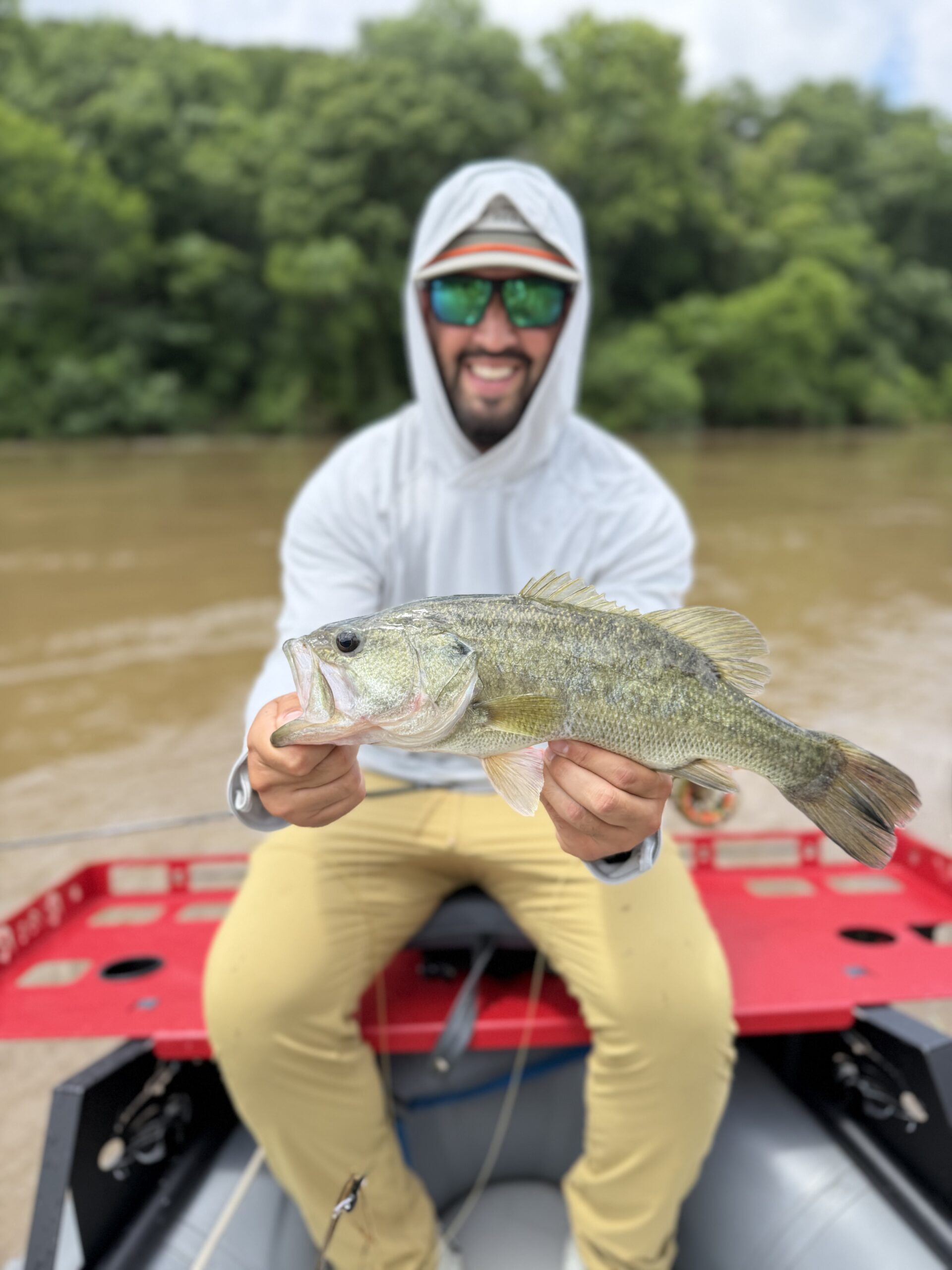
Not bad for a day that started with every original plan washed away.
Six hours after launching, we pulled into the boat ramp tired, muddy, and covered in fish slime. The river had thrown every curveball it could muster, but that’s part of what makes days like these memorable.
Sometimes fishing isn’t about sticking to the plan.
Sometimes it’s about figuring out the new one.
And on this day, the river made every decision for us.