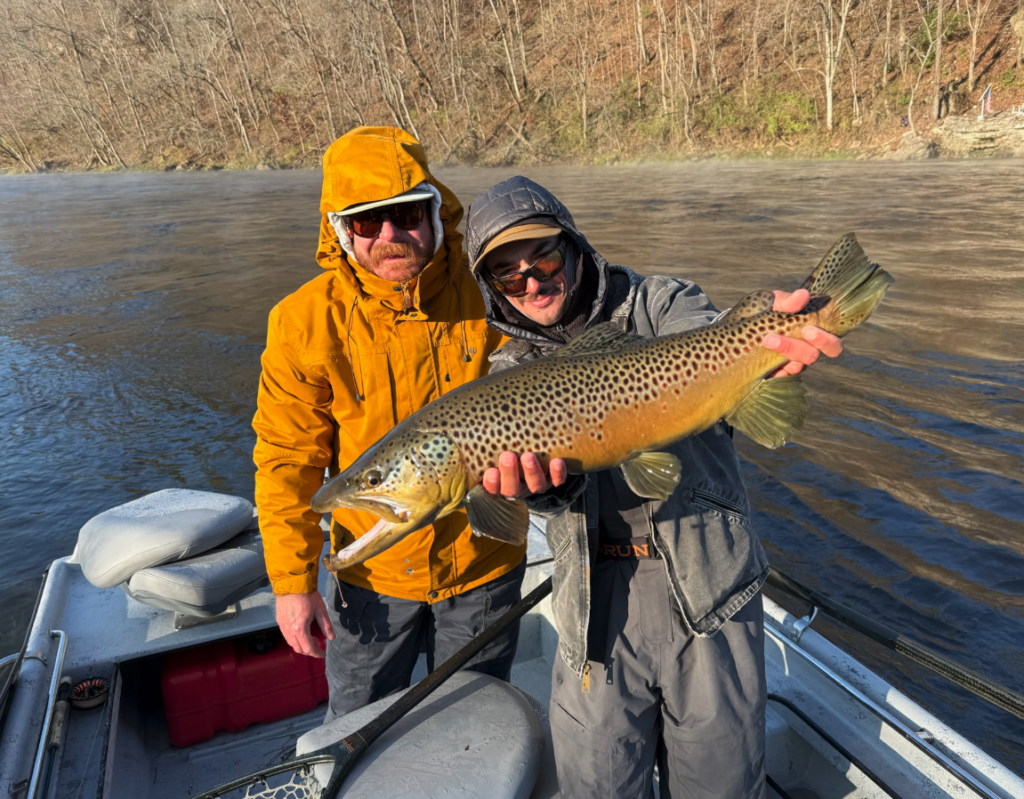
This isn’t just another spring transition. This is the window where volatility, inflows, and upcoming dam releases start stacking together—and if you’re paying attention, it can be one of the most productive (and misunderstood) times of the year.
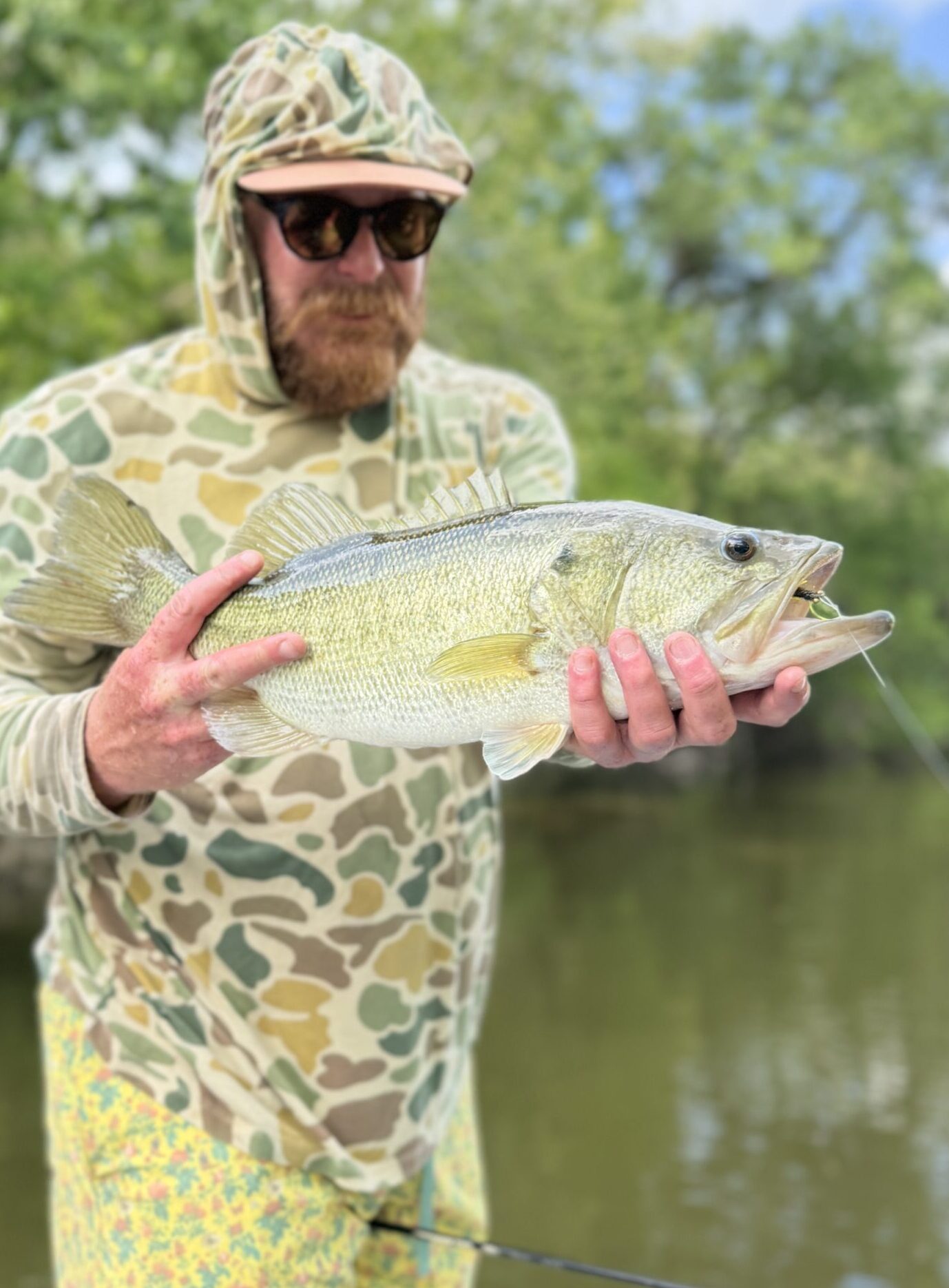
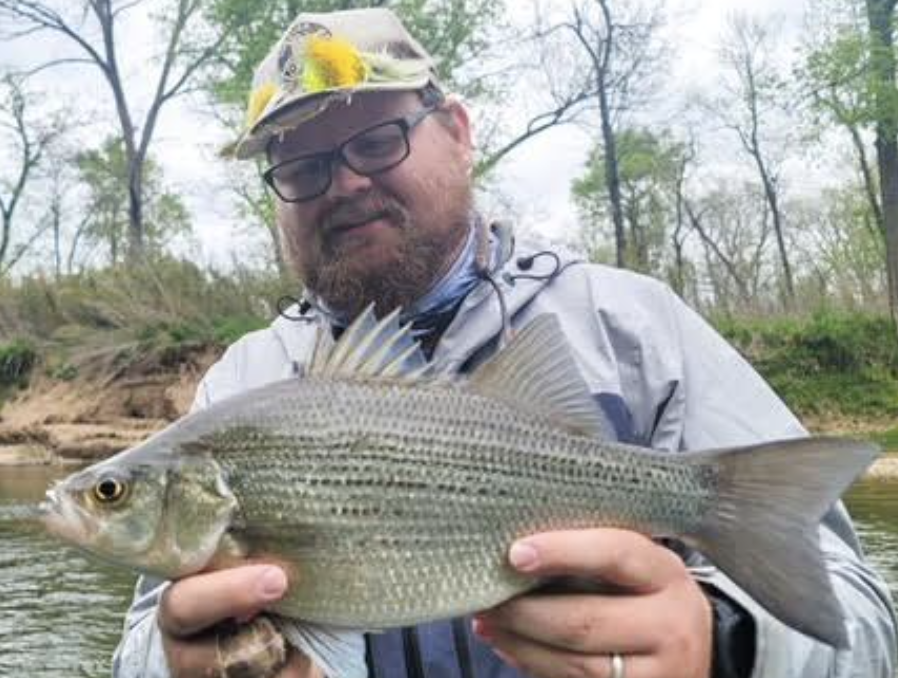
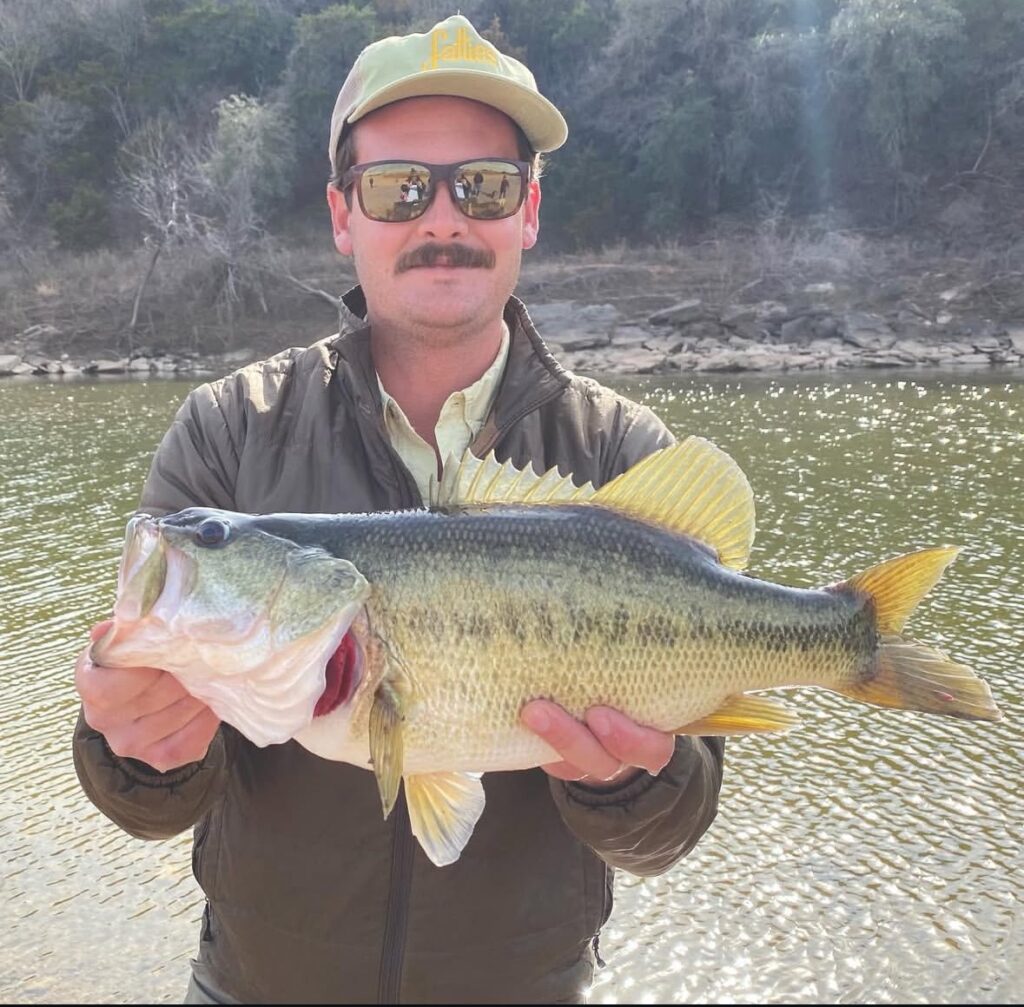
Right now, across DFW-area lakes and rivers, fish are active, shallow, and feeding hard. Hybrid stripers, white bass, and largemouth are all in play, with April consistently producing some of the best action of the year in North Texas.
But the real story isn’t just what’s happening—it’s what’s about to happen.
The System Is Starting to Move
We’re in that early phase where:
- Water temps are stabilizing in the 60s–low 70s
- Fish are spawning or transitioning out of it
- Bait is pushing shallow and into current
Across the region, fish are aggressive and accessible right now, especially in transition zones and along river channels.
At the same time, rainfall patterns and inflows are beginning to set the stage for something bigger:
Flow.
When the Dams Start Talking, Everything Changes
Right now, flows are still relatively manageable—but that won’t last.
As we move deeper into spring, dam releases will increase. And when they do, everything tightens up:
- Fish position instead of roam
- Bait gets pushed into predictable lanes
- Feeding windows get more defined—and often more aggressive
This is when mediocre days turn into lights-out days.
But here’s the deal…
**If you don’t understand how to fish current, you’ll miss it completely.
What’s Biting Right Now
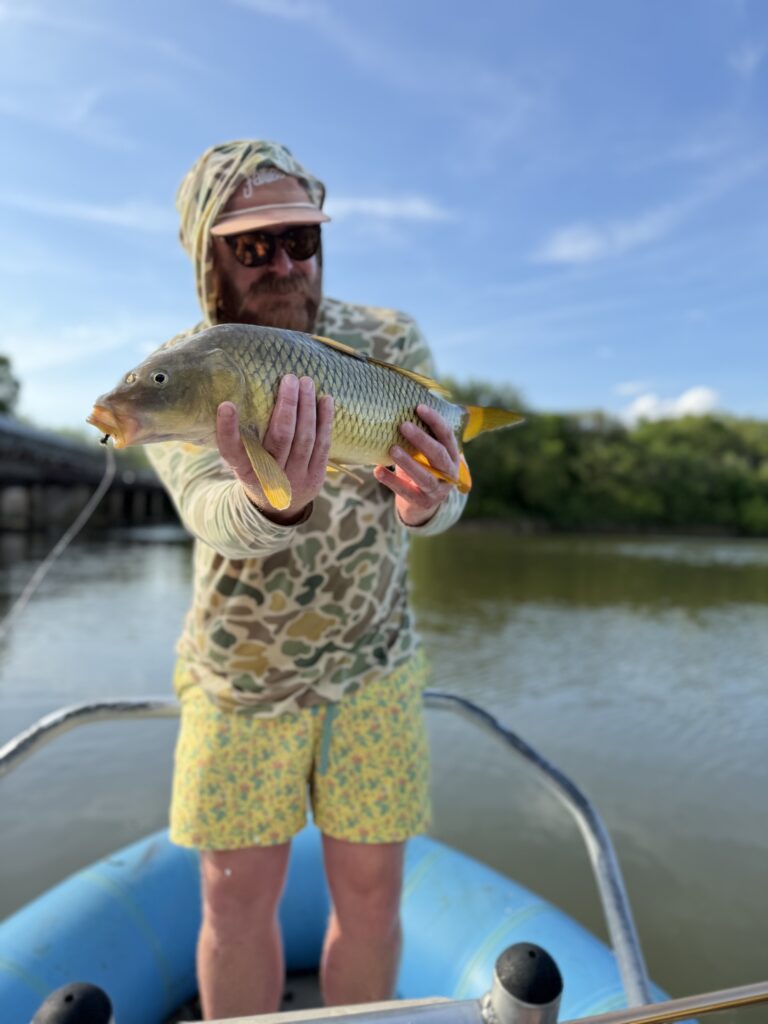
Across North Central Texas:
- Largemouth bass → spawning and post-spawn, shallow early, sliding off mid-day
- White bass (sandies) → pushing current and staging near inflows (rain will kick this into overdrive)
- Crappie → stacked on brush and transitioning depth daily
- Stripers / hybrids → active on bait, especially in open water and near channels
- Carp/Buffalo → in flooded vegetation when flows increase. Back to the riffles and sandbars when the flows shut down.
-
This is one of the few times of year where everything is happening at once.
And that’s exactly why most people struggle.
The Next 60–90 Days: Controlled Chaos
Here’s what to expect moving forward:
Rising Water
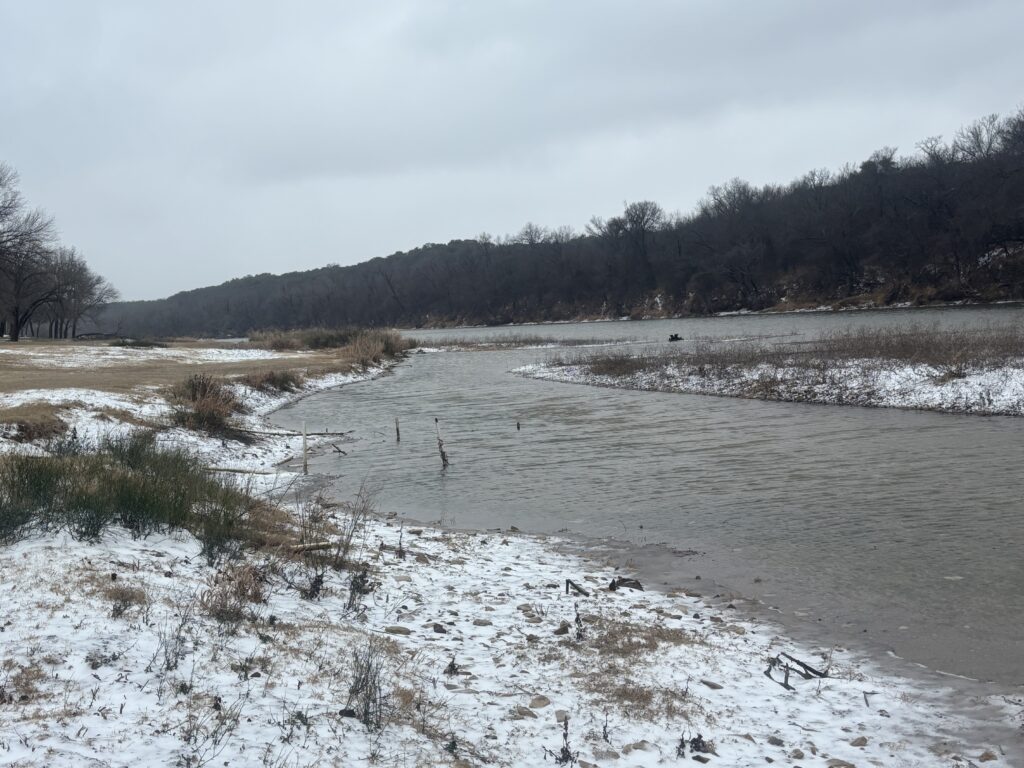
CHECK RIVER FLOWS!
- Fish scatter temporarily
- New cover floods
- Bite gets weird… then gets incredible
Increased Dam Releases
- Rivers and tailwaters turn on
- Current seams become everything
- Fish group up and feed predictably
Early Summer Patterns
- Moving water outperforms stagnant water
- Morning + current windows dominate
- Lakes get tougher… rivers get better
This is the shift.
The Truth Most Anglers Don’t Want to Hear
This time of year isn’t about having more flies.
It’s about having the right flies for:
- Dirty vs clean water
- Slow vs fast current
- Shallow vs transitional depth
Most anglers show up with a random assortment and hope it works.
That’s not a system.
That’s guessing.
Get the Right Tools for the Job
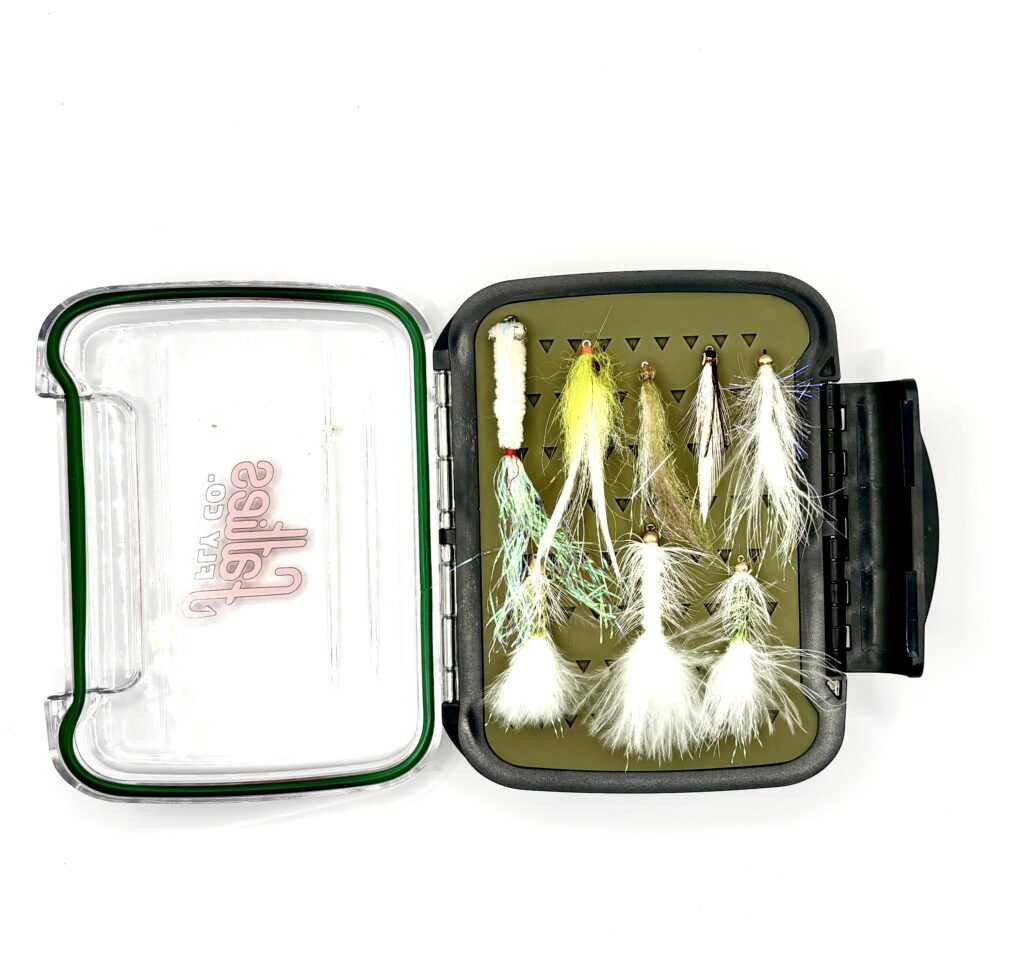
If you want to stay consistent through this volatility, you need a setup that’s built for these exact conditions.
That’s why we put together our Fatties on the Fly Guide Box.
It’s not just a fly box—it’s a system designed for North Texas:
- Proven patterns for moving water
- Flies that actually hold up in current
- Setups for both clear and stained conditions
- Dialed specifically for what’s happening right now
If you’re serious about figuring this out, start there.
Want to Skip the Learning Curve?
Here’s the reality:
You can spend months trying to figure out:
- How fish reposition with release rates
- Where to be when flows change
- What flies actually work in each condition
Or…
You can get on the water with someone who already knows.
Booking a trip with us isn’t just about catching fish—it’s about getting dialed into:
- Reading current
- Understanding flow timing
- Fishing the right water the right way
Because once you understand that, it all starts to click.
Final Thoughts
North Central Texas is entering one of the most dynamic windows of the year.
- Fish are moving
- Water is changing
- Opportunities are stacking
The anglers who adapt to flow, not just location, are the ones who stay on fish.
If you take one thing away from this:
Find moving water. Fish the seams. Use the right tools.
And if you want to shortcut the process—
** Grab a guide box
** Book a trip
** Get dialed in
Join us at Orvis Ft Worth for a more in-depth discussion Thursday, April 16 from 6-8pm!
We’ll see you on the water.